You signed in with another tab or window. Reload to refresh your session.You signed out in another tab or window. Reload to refresh your session.You switched accounts on another tab or window. Reload to refresh your session.Dismiss alert
If you're just sitting at home most nights, wondering what the hell you should be doing, rejoice! I've got a list of 10 of the hottest, coolest programming languages you can stuff in a single sack (or...blog post).
The Rust programming language is an ambitious project of the Mozilla Foundation – a language that claims to be the next step in evolution of C and C++. Over the years of existence of these languages some of their basic flaws still haven’t been fixed, like segmentation errors, manual memory control, risks of memory leaks and unpredictable compiler behavior. Rust was created to solve these problems while improving security and performance along the way.
I have been working in web technology for more than 20 years. I spent the first five years of my career as a full-stack developer. Back then, we used the term webmaster. I would set up servers (which included e-mail and FTP), order domain names, create databases and order SSL certificates. I would code the backend and the frontend, plus open up Photoshop to do a little bit of design and UX from time to time. I was the scrum master and the business analyst plus I would support customers and project manage their websites. These tasks and job titles were all just part of being a webmaster. You crafted the web by yourself, and it lived in a box in the room next door, occasionally you would have to go in and check on it, maybe even restart it.
Later in my career, I saw an opportunity to specialise. Living and working in London, I saw the increasing need for the expert. Recruiters started to ring me, asking about specialist job titles. I very much enjoyed the visual element of working in the browser and JavaScript was growing in power and clearly here to stay.
Most programs on Linux are dynamically linked. So when you are creating a unikernel with OPS out of a linux application OPS goes out and finds all the libraries it's dynamically linked to and throws it onto the disk image. This works well if you are on linux - 99% of everything on linux is dynamically linked.
Who uses Rust, and what are the benefits of choosing this programming language for your stack? Find out the answer in stories from 9 successful companies.
Web3, blockchain, NFTs?! It’s all getting a bit year 3000 out there… We’ve pulled this apart to better understand what the future of work looks like for develop
Some people I know planned or already had moved away. The target seems to be Mastodon, an alternate decentralized Open Source using the ActivityPub protocol.
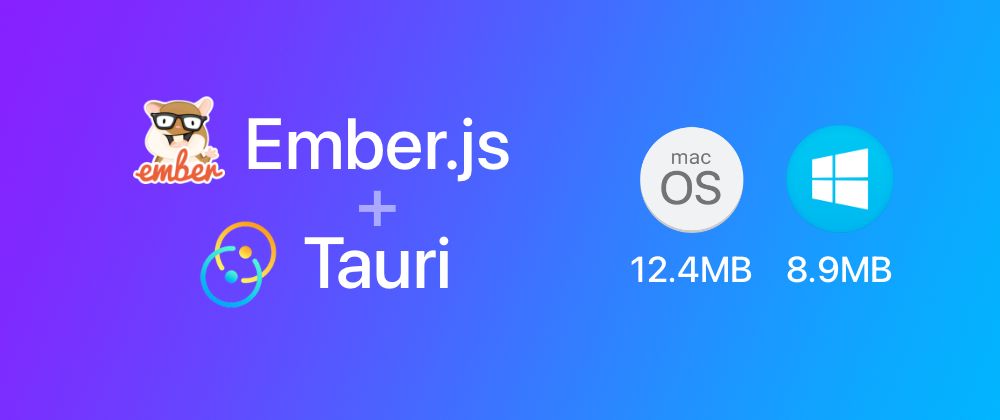
I recently played around with Tauri, a toolkit for development desktop apps with web technologies. Here's how I got it working with an Ember.js application.
Straightforward moral of the story: always first check environment variables in CI settings. They can overwrite your configs and cause unexpected issues.
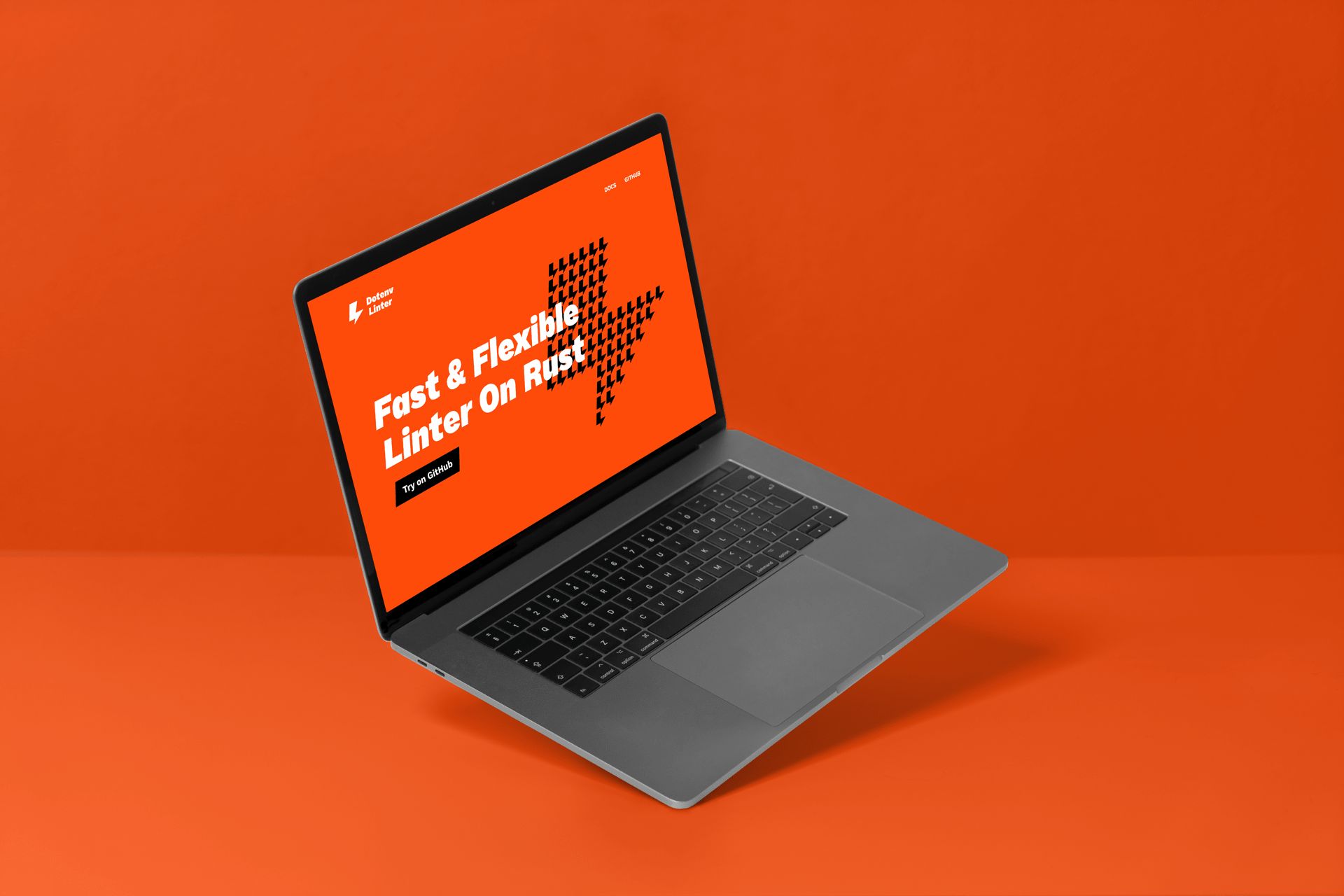
We have developed dotenv-linter — a useful tool for checking .env files. It helps to find problems in .env files that you might miss at first, but which later may result in incorrect work of applications.
Everything you need to know to build your first custom blockchain using Substrate. Learn exactly how to build, test, and deploy your own pallets on Substrate.
Build a scalable and privacy-first Internet on Second State’s serverless infrastructure. Get the email newsletter on Rust, WebAssembly, serverless, blockchain, and AI.
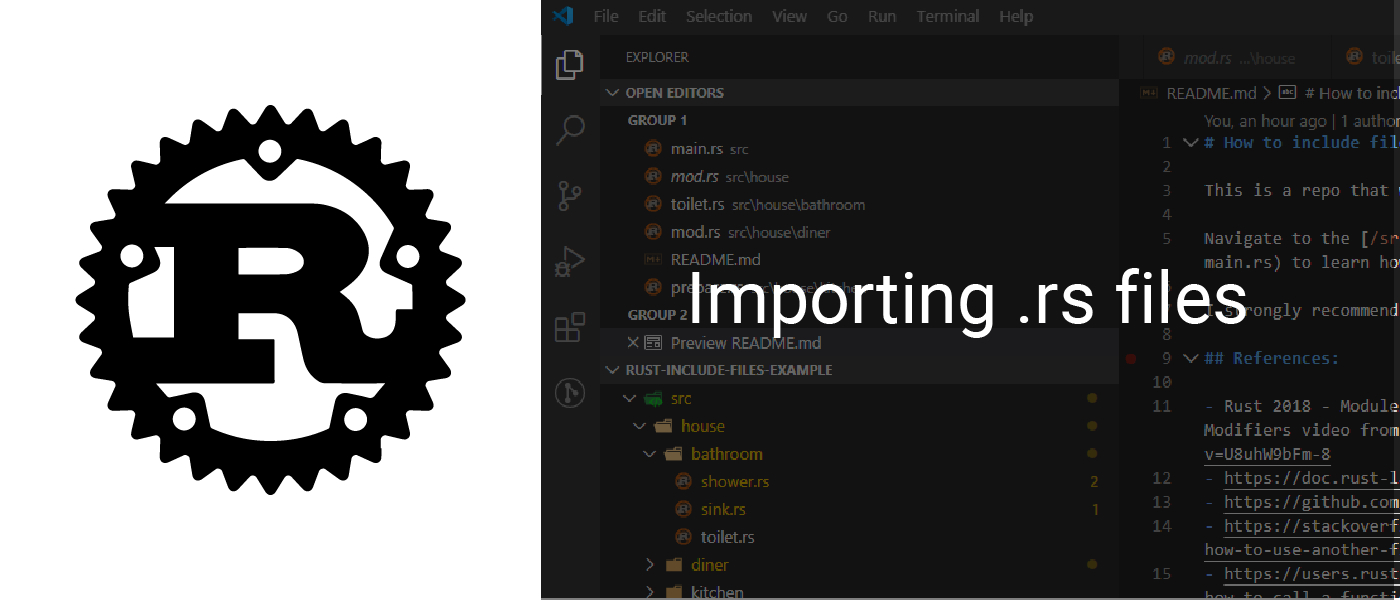
One of the things that's been criticized by newbies in Rust is the file include mechanism. About 2 days ago, I spent around 5 hours on how I was supposed to include a file that was referenced deep down in a directory tree. The docs didn't help, as they were simple structures. Here I'll show you how you can include your code in different parts of the application, even when the structure is complex, and save you hours on how to do this supposedly trivial task.
DevX Initiative Sponsorship program is here and focuses on the individuals who have worked passionately to make Rust what it is today. Read to know more.
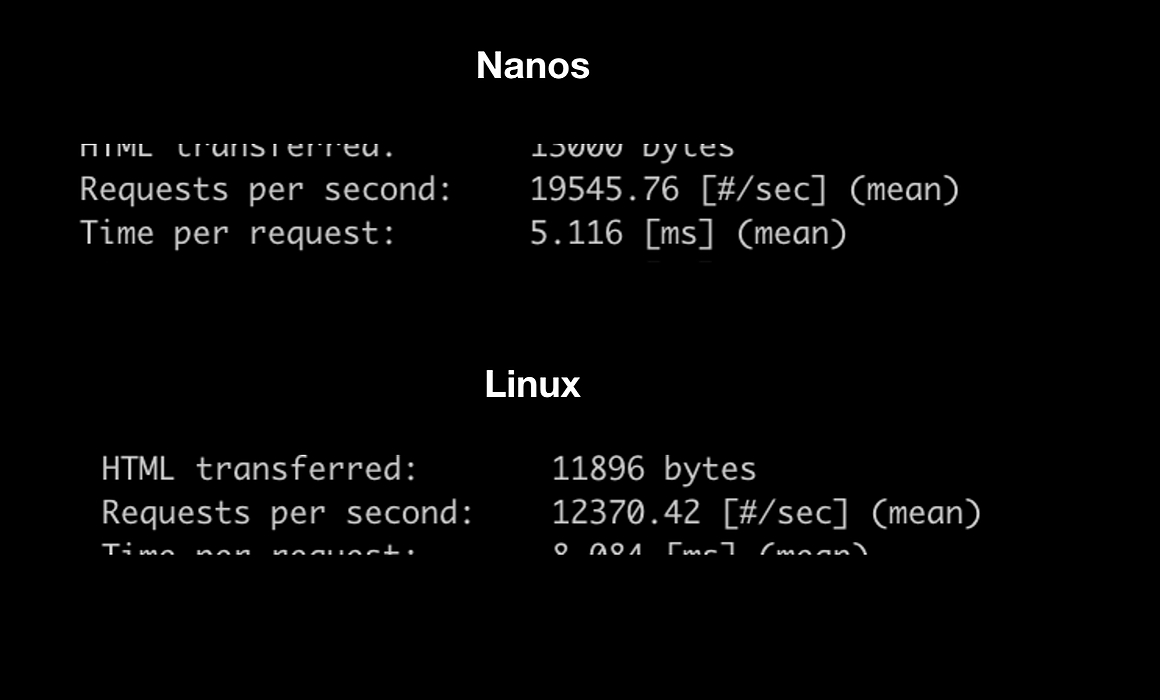
In theory, a new technology or a modern approach should have a lot of benefits, but the main question that matters is that - what is actually practical advantages of that in numbers?
At Bearer, we are a polyglot engineering team. Both in spoken languages and programming languages. Our stack is made up of services written in Node.js, Ruby, Elixir, and a handful of others in addition to all the languages our agent library supports. Like most teams, we balance using the right tool for the job with using the right tool for the time.
When building for large-scale use, using Rust certainly feels worth it both from a cost perspective (factor x3 saved) and from a performance perspective.
Continue creating boosted Server Side Rendering implementation. In the first part we prepared ReactJS Application with SSR script that lets choose the best technologies for our Web Server.
Let's take a look at some of the common pitfalls with the keywords let and mut. Then, we will learn how immutable != constant by using variable shadowing.
Topological sorting refers to the linear ordering of vertices in a graph such that for every directed edge ab, of vertex a to b, a, always comes before b.
About a week ago I got seriously bothered to figure out whether it is possible to run BPXE (a workflow automation engine I am developing) in a browser.
The COVID19 lockdown has been a pretty challenging time for everyone. Staying sane without the social interactions we normally have can be difficult. I took the time to learn a new programming language. This served several purposes.
In this article, I'm going to give you a roadmap and some of the best resources on the internet that will definitely help you get your first job in Web3.
Steve Klabnik is a member of the Rust core team, an active open-source contributor, and author of The Rust Programming Language, Rails 4 in Action, and Designing Hypermedia APIs books. In 2012 and 2016, we invited Steve to speak at the RailsClub (now RubyRussia) conference. Since then, Steve has been working on Rust a lot, did a lot of interesting things and we realized that we should definitely interview him once again!
Richard Eng 2020 Noonie Nominee for Blockchain from India has been nominated for a 2020#Noonie in the Future Heroes and Technology categories.. The Noonies are Hacker Noon’s way of getting to know — from a community perspective — what matters in tech today. So, we asked our Noonie Nominees to tell us. Here’s what Richard had to share.
FTL usually refers to "faster than light". A theoretical particle known as a tachyon that powers certain spaceships in the Star Trek universe keeps the plot going for decades through multiple series and and movie franchises.
The WebAssembly Summit was held in Silicon Valley, on the 10th February 2020. The venue, Google’s newest building at 1625 Plymouth St Mountain View CA.
The craze for learning programming languages is very high. These days people have one question in their mind and that is which programming language should one prefer in 20201 and why?