You signed in with another tab or window. Reload to refresh your session.You signed out in another tab or window. Reload to refresh your session.You switched accounts on another tab or window. Reload to refresh your session.Dismiss alert
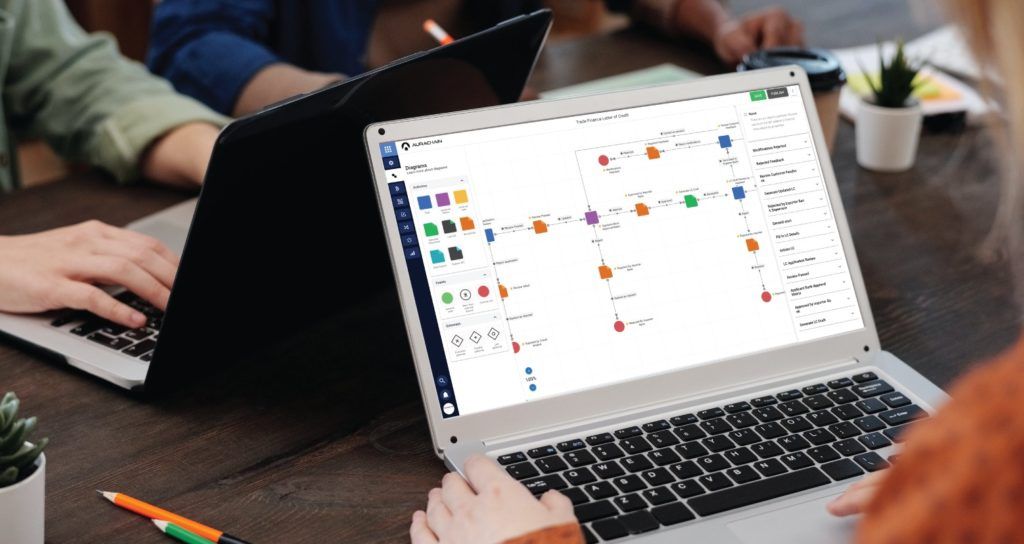
People working in the digital space have most likely heard the phrases “low-code” and “no-code” circulating lately in discussions regarding app development.
Let’s look at 3 different low-code development approaches the LCP Market has contoured and the main things every CIO should know about them when it comes to ado
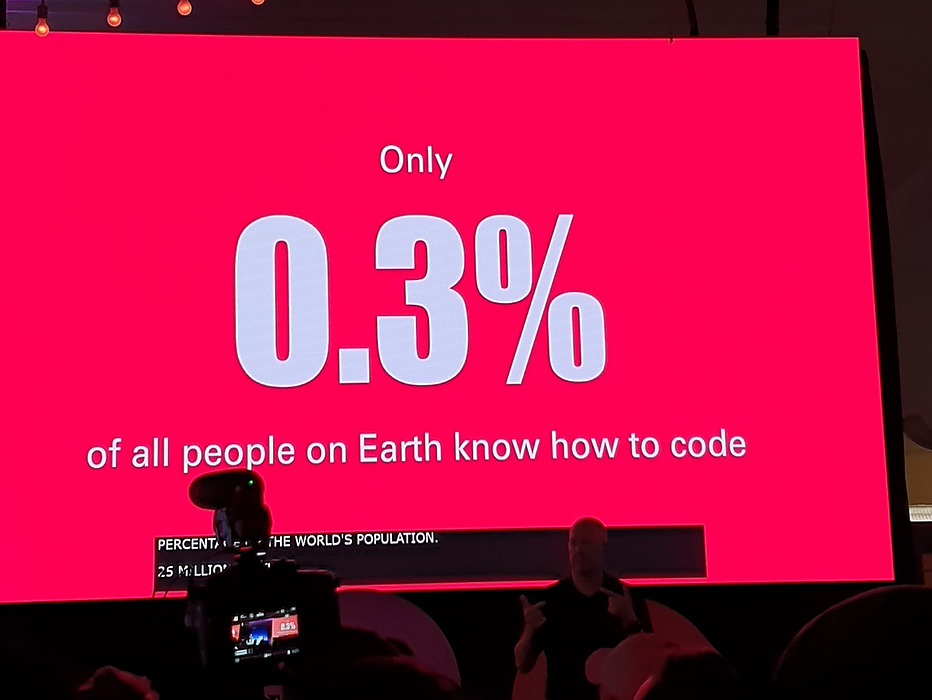
Whether it’s for building a company, monitoring the news, or even making a grocery list, software penetrates every part of the modern western lifestyle. The dem
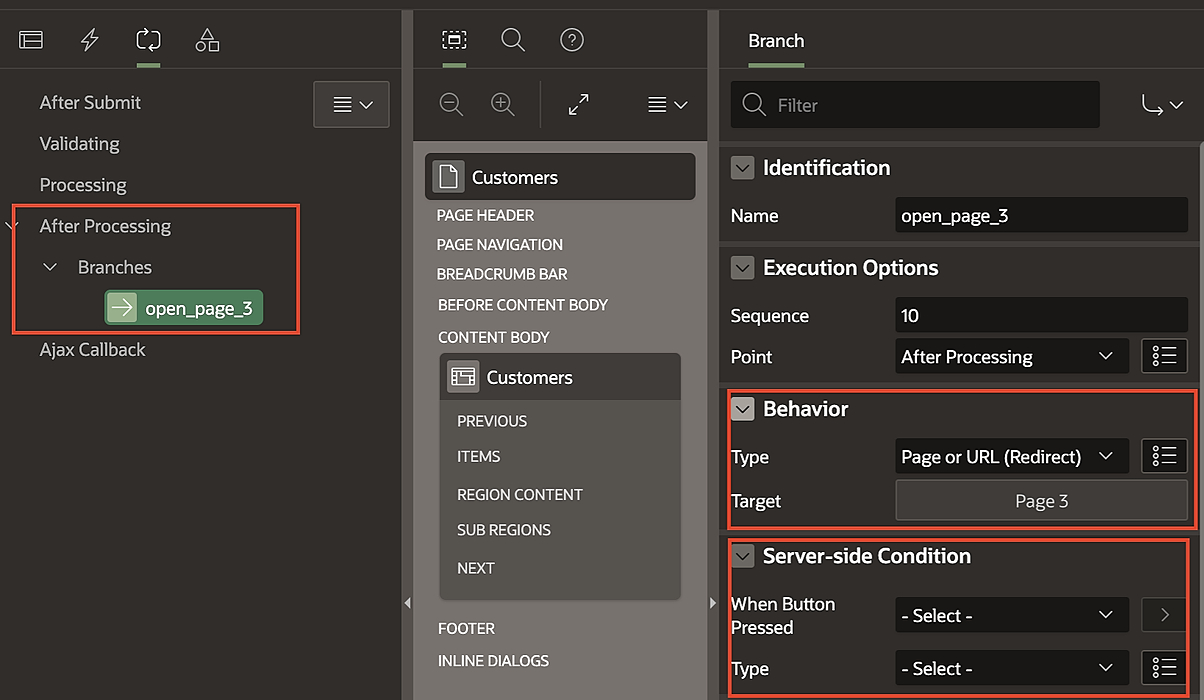
In Oracle Apex, we create a Branch Process to open another page after submitting the current page. Because a Branch process executes on the page submit.
As we move into the cloud computing era, we've seen the floodgates open and waves of new development frameworks taking advantage of every opportunity that cloud computing technologies offer.
Today’s technology is about the future of application development rather than the past. The shift to modern tools such as low-code is happening no matter the controversies.
Michael Bargury spent years working on cloud security at Microsoft, bootstrapping security products that tackle emerging threats like IoT, APIs and IaC.
In recent years Low-code/No-code has become a hot topic. According to that approach an IT-system is developed visually. Conventional wisdom says that building an MVP on low-code is OK, but if something sophisticated and scalable is needed, you have to code it traditionally. These visual tools seem to be very limited. Let me reveal the other side of low-code world, which has no such limits.
I had great fun writing my recent article "Objects, Relationships, and the Cat” in which I shared one of the things I enjoyed most about working on the Salesforce platform using a rather unconventional story-telling style. In fact, I enjoyed it so much, and based on the positive feedback from readers, I thought I’d do it again. As before, this is a work of fiction with the exception of the technical aspects.
People who know of my work in the Windows world sometimes ask me how I, a “real" programmer and former Microsoft MVP, could become so involved with Salesforce development. I thought I’d write a different kind of article highlighting one of the Salesforce platform features that I find compelling—and that makes Salesforce, for me, a serious platform for software development. Instead of the usual "dry" technical article, I present to you a story - a work of fiction (except for the technology, which is all true).
Simply put, psychology defines our decisions (professional, personal) as being fear-based or love-based. We either choose something out of enjoyment, for making us feel good, rewarded (all under the umbrella of love) or out of insecurity, FOMO etc. (fear-based).
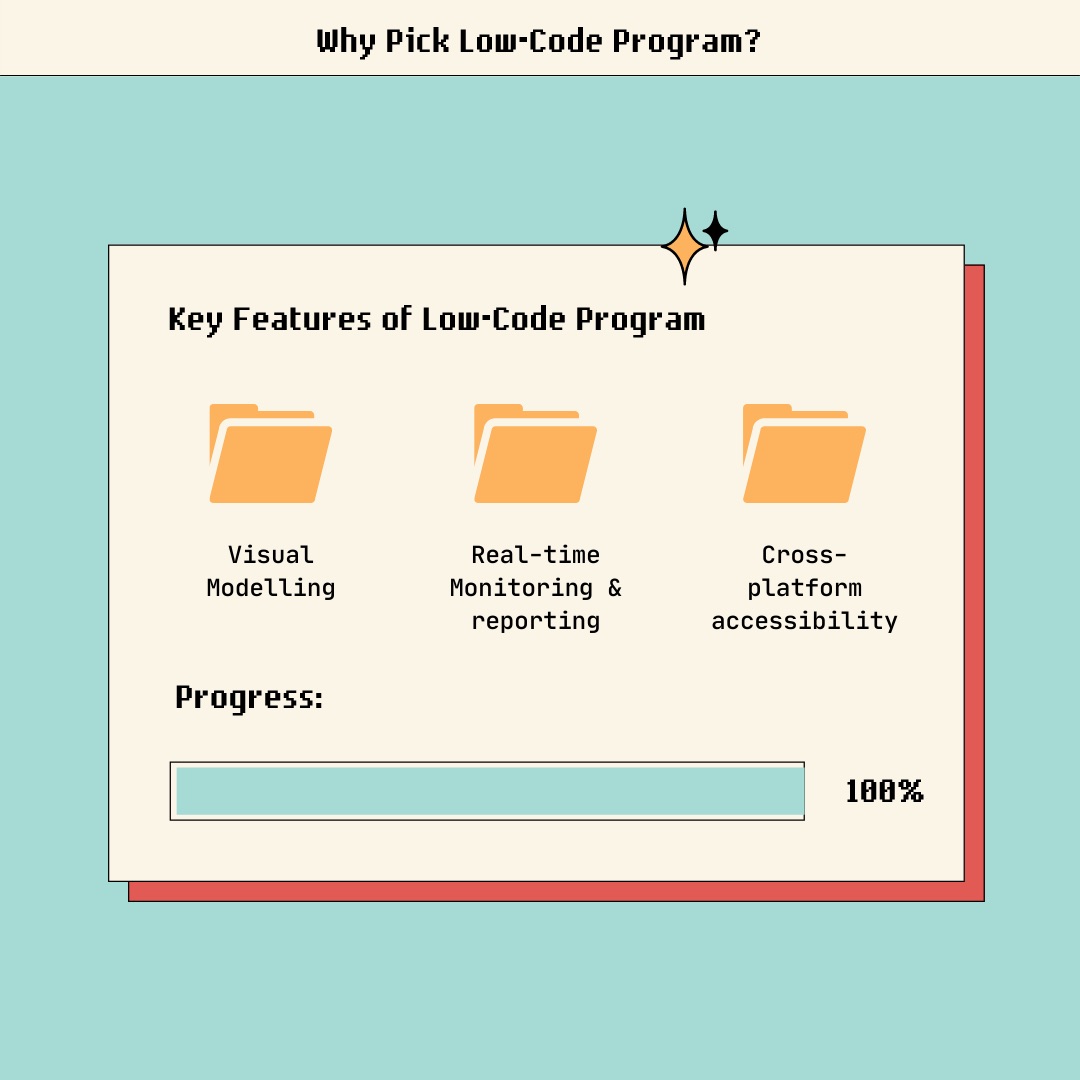
Low code can enhance the entire workflow and propel your IT teams' productivity by equipping them with the powerful tools for quick and smooth app creation.
APIs have been around for decades – they allow different systems to talk to each other in a seamless, fast fashion – yet it’s been during the past decade that this technology has become a significant force.
So then why all the interest in APIs? We all know the usual stories – Uber, Airbnb, Apple Pay… the list goes on, and the reasons are plentiful. Today the question is, how? Perhaps you are looking to differentiate your business or want a first-mover advantage. How can you execute quickly and at low cost/risk to try new market offerings?
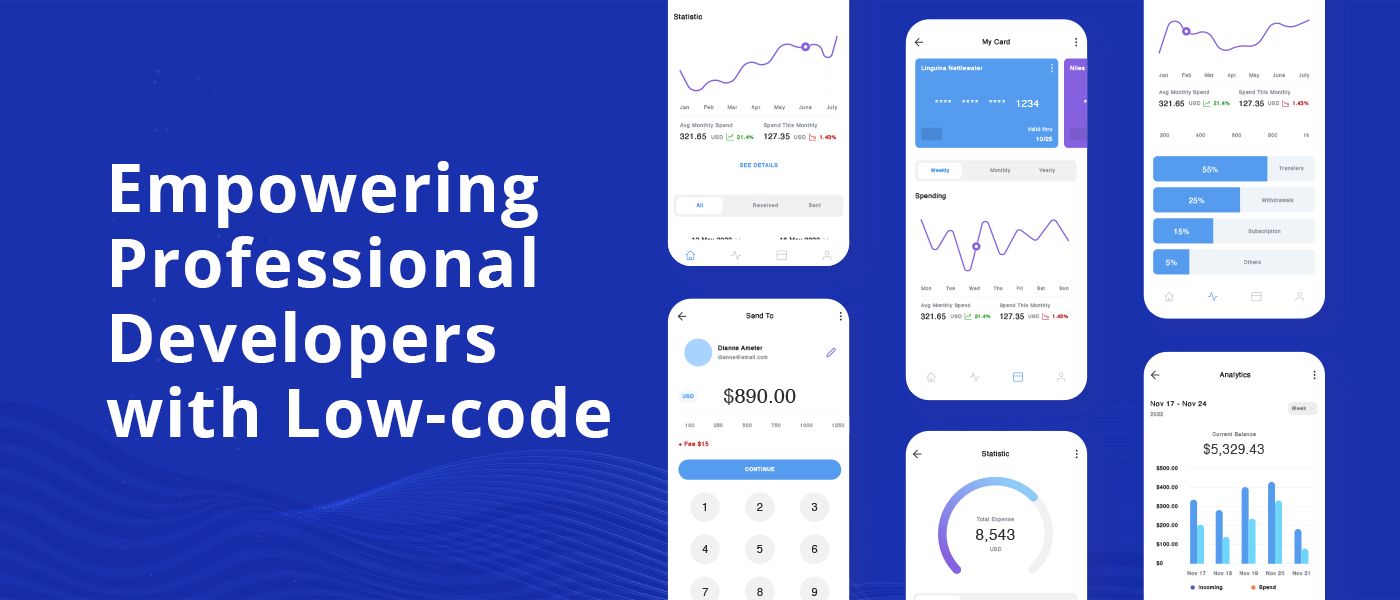
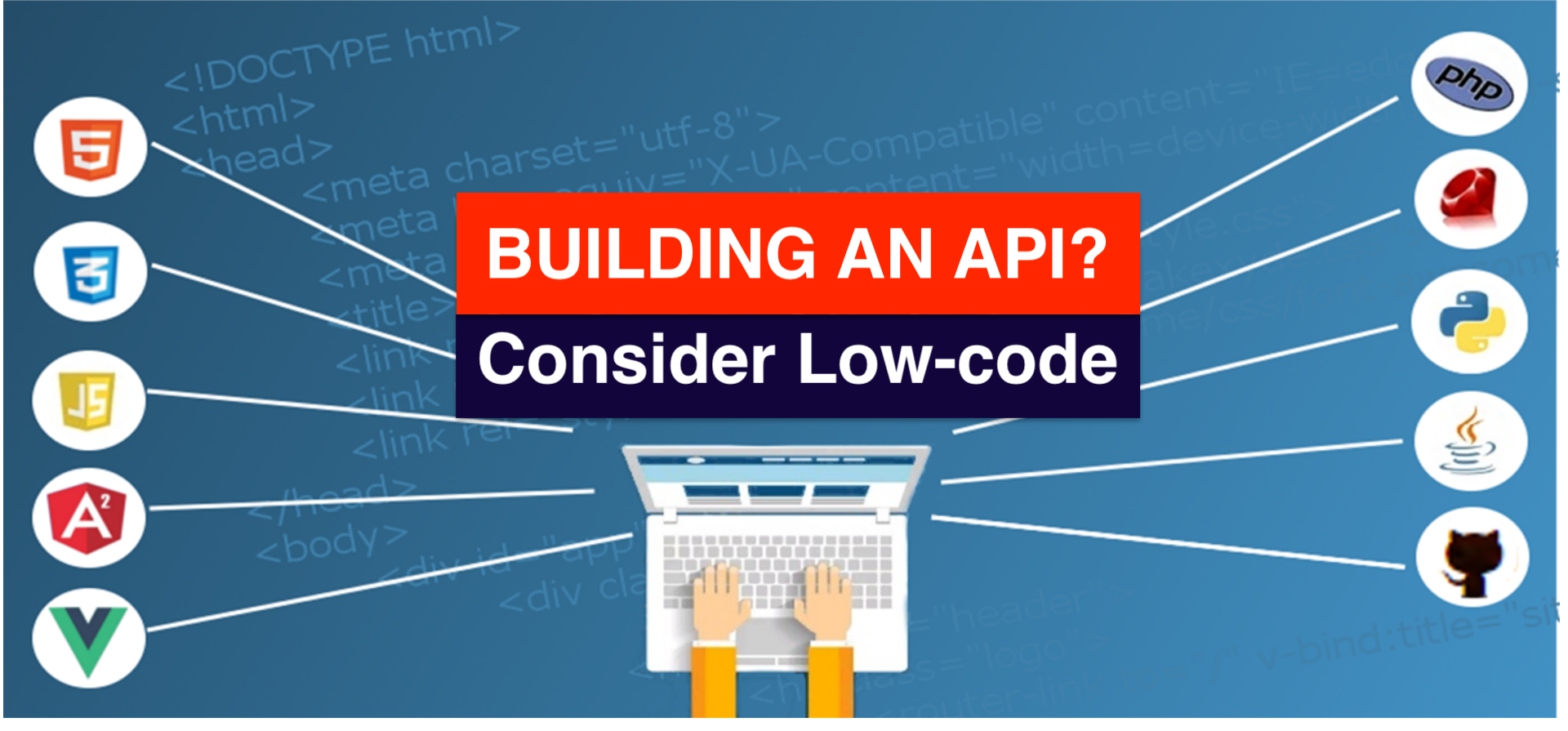
An API provides several benefits to an organisation, but without a dedicated team of trained developers, it might seem like an implausible option. Developers are expensive, and it can take months to develop an API from the ground up. If you don’t fancy outsourcing or have the capability in house to build internal APIs, a low-code platform might just be the answer.
I’ve been working with low-code tools for years, building automation integrations, and APIs. Recently, I’ve wondered whether we’ve advanced far enough to use a low-code platform as the back-end for a single page application (SPA).
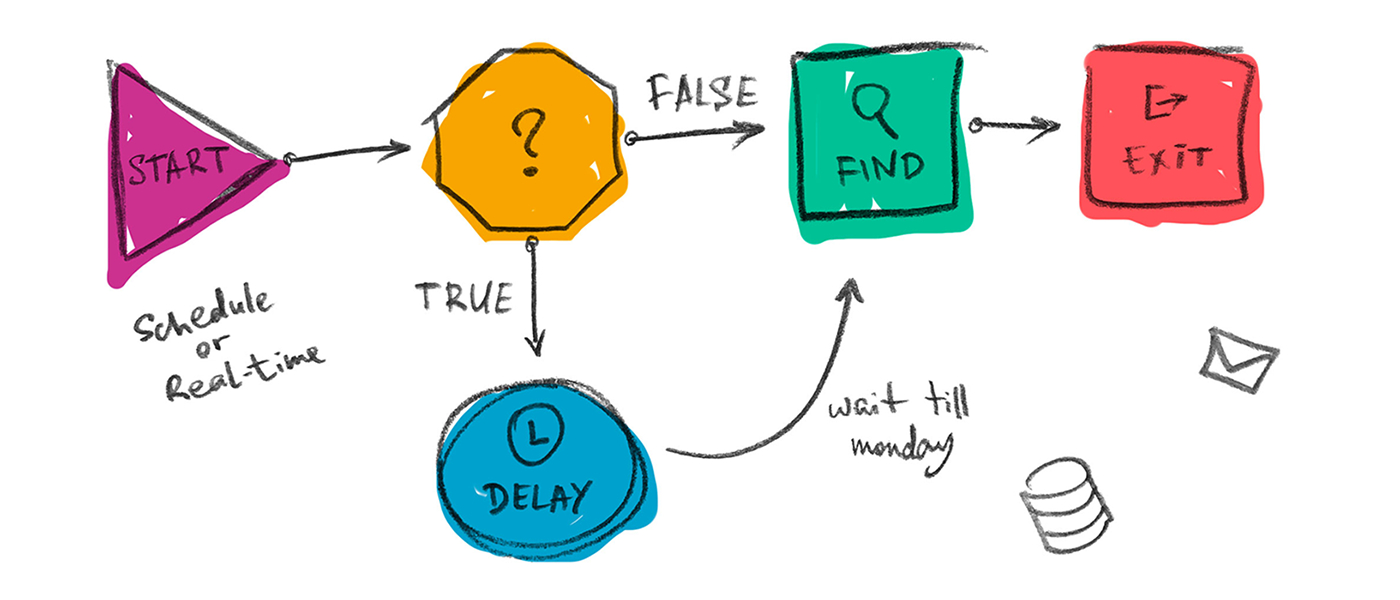
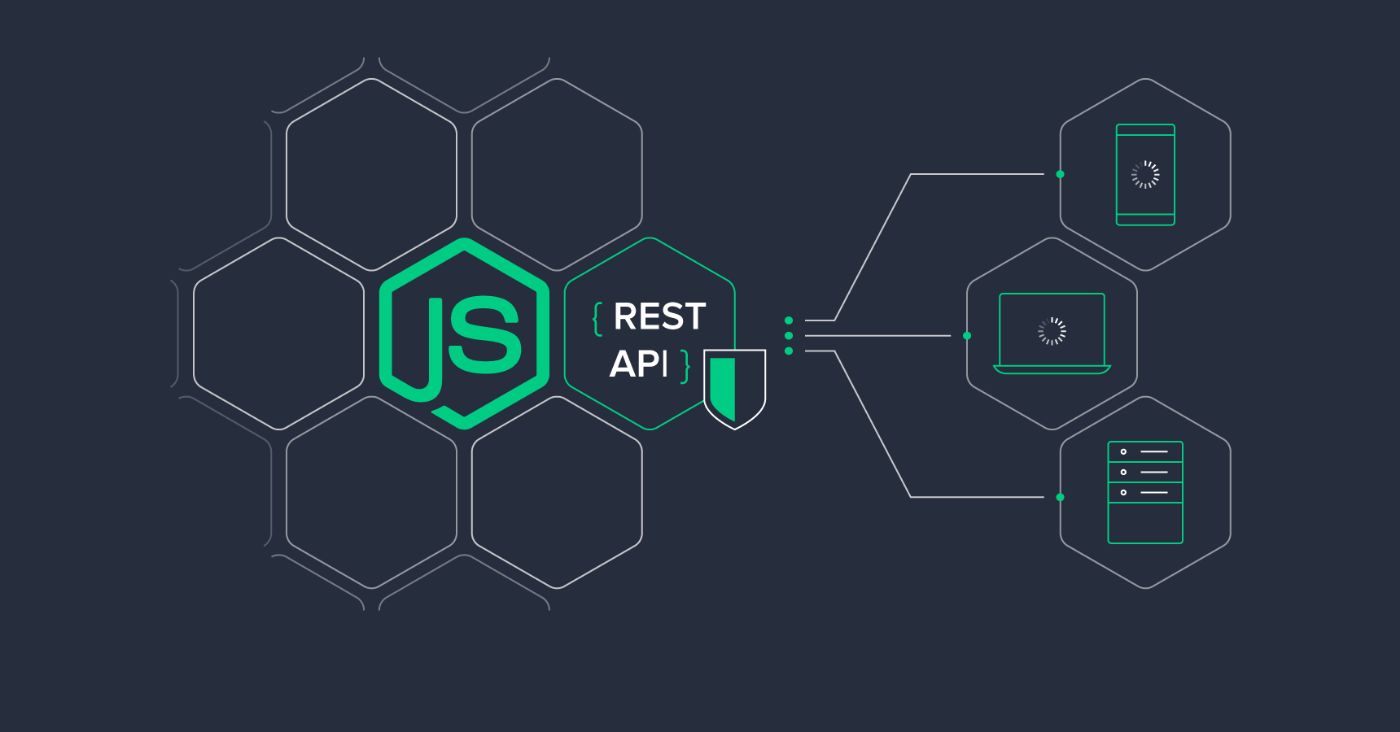
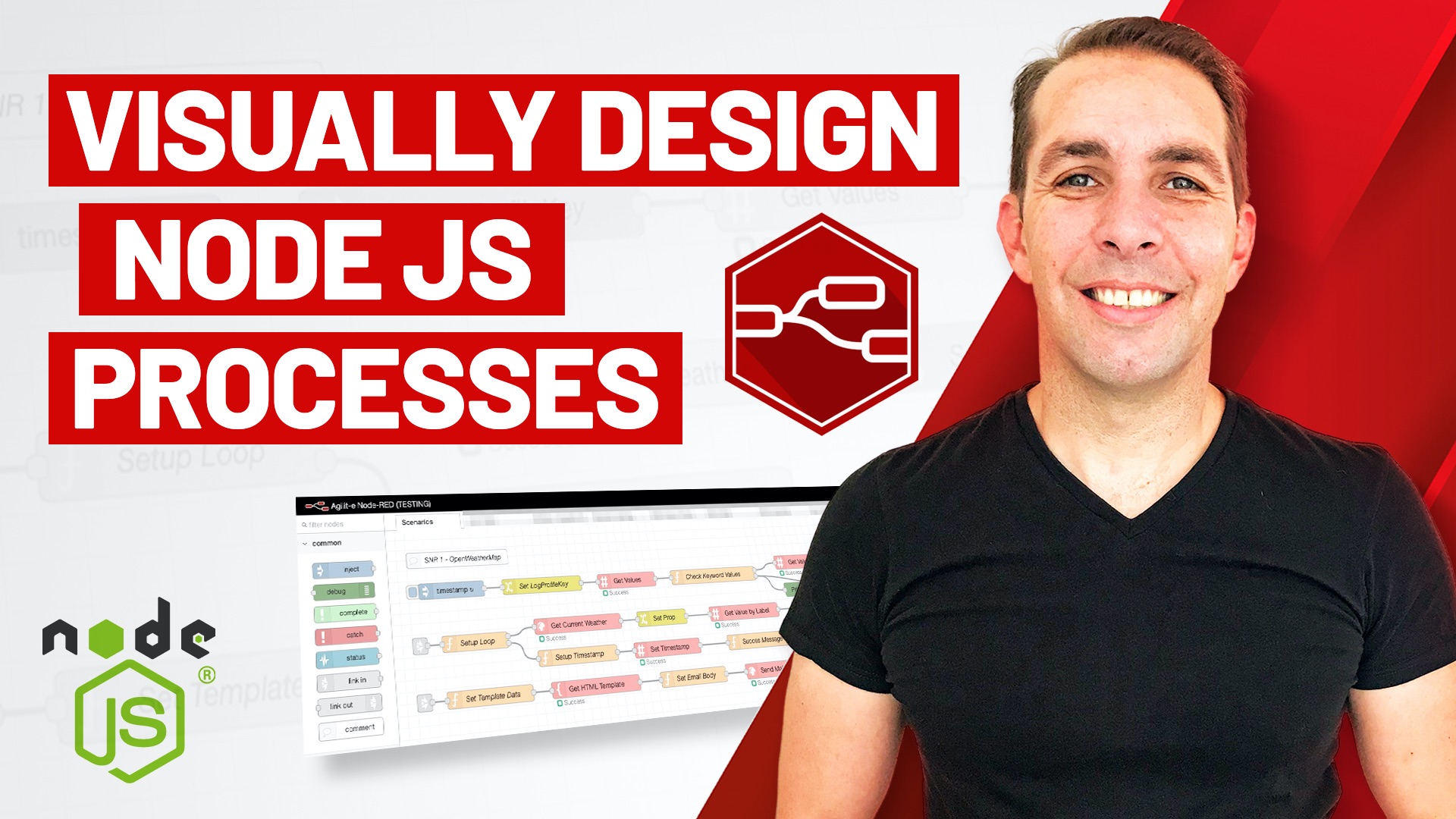
In this article, I'm going to introduce you to a NodeJS module that allows you to create and deploy server-side processes by using a visual, drag n drop style.
Why is low-code the gateway to AI for businesses? Low-code platforms turned out to be exactly the solution businesses needed. Visual LANSA is a powerful IDE.
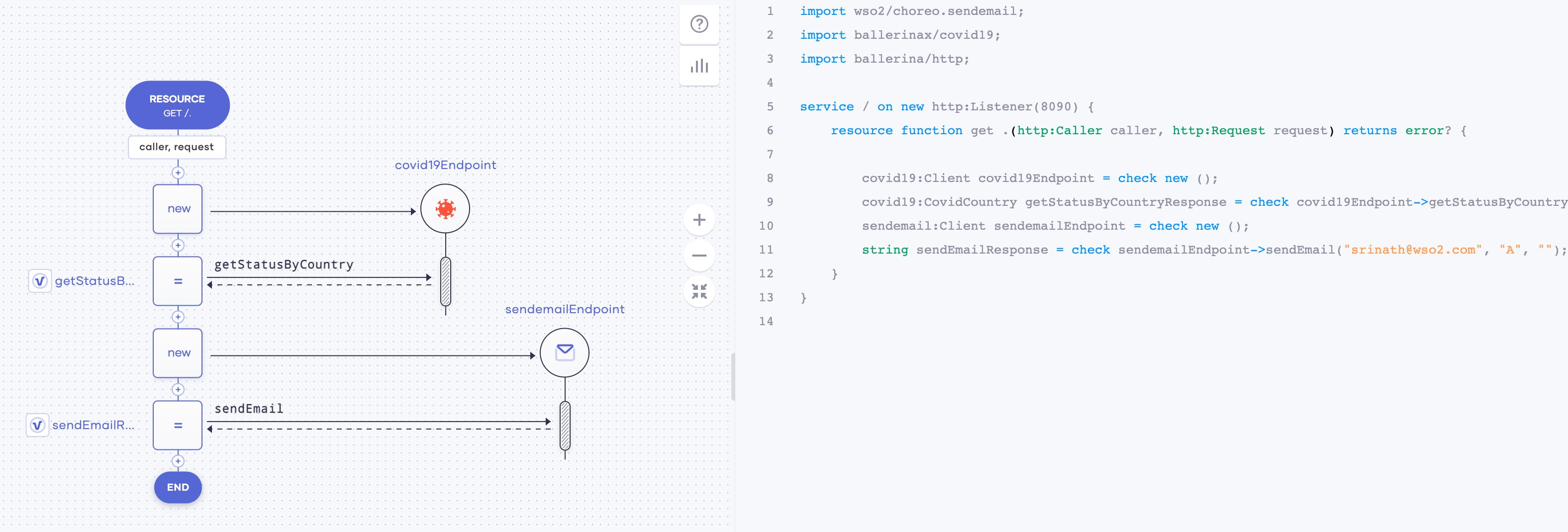
APIs, if you know how to tame and harness them, are a superpower. Choreo is a Cloud IDE that is built to make API creation, management, and composition a breeze
To make the adoption of low-code technology hassle-free, this platform comparison guide covers a lot of basic as well as more advanced information to evaluate the top low-code platforms.
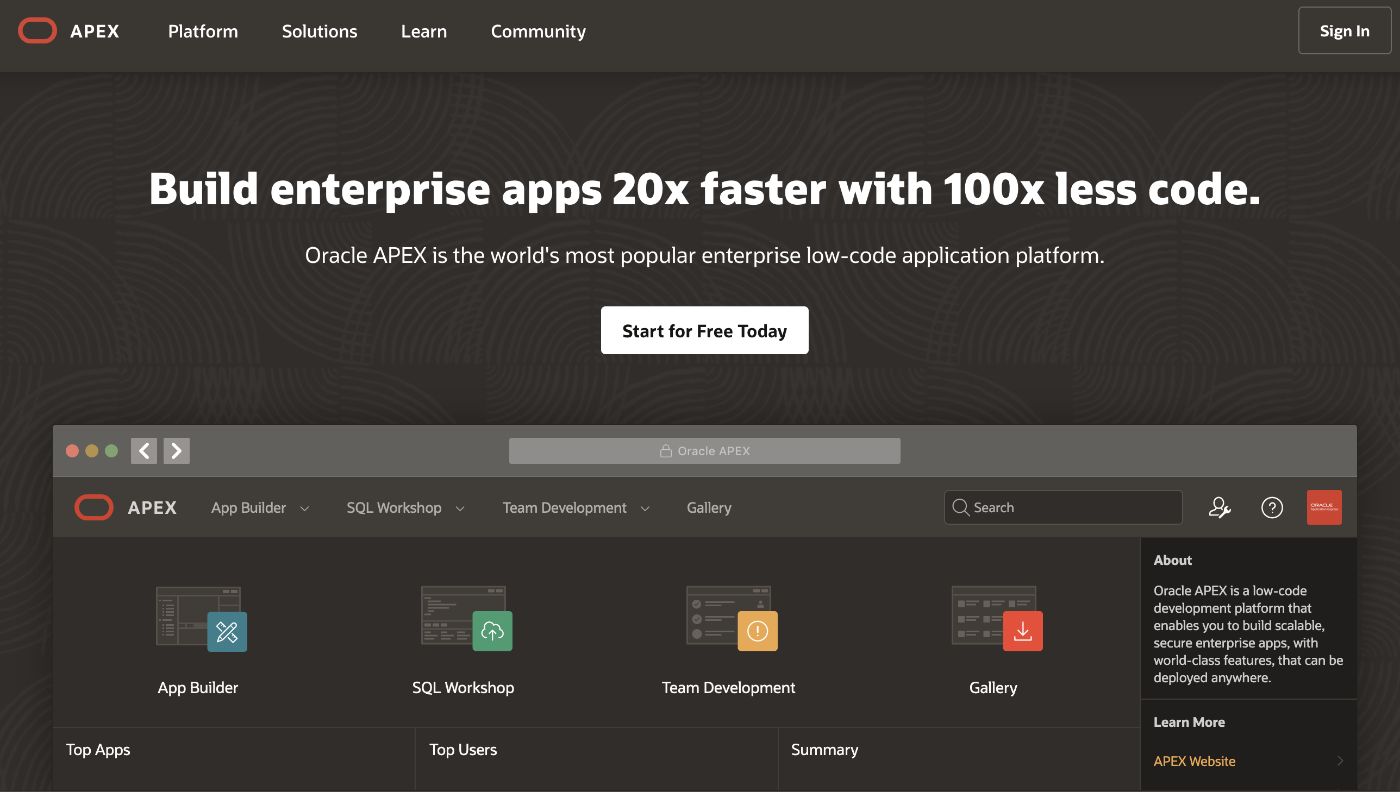
This tutorial provides an in-depth overview of Oracle Apex, including its features, advantages, and use cases. It covers the benefits of low-code development...
As time progressed, programming methods became simpler so that applications can be developed and delivered fast. This led to the popularity of low-code and later no-code approach to application development. Both low-code and no-code take a drag-and-drop visual approach to build business applications more efficiently. The idea is to reduce or replace complicated coding with a configuration approach. This allows citizen developers to build and test applications quickly.