You signed in with another tab or window. Reload to refresh your session.You signed out in another tab or window. Reload to refresh your session.You switched accounts on another tab or window. Reload to refresh your session.Dismiss alert
There is a trend in neural networks that has existed since the beginning of the deep learning revolution which is succinctly captured in one word: scale.
The computing landscape has long observed a swing between centralized and distributed architectures, from the mainframe to client-server to the cloud. The next generation of computing is now upon us, representing both a return to the familiar distributed model and a breakthrough in rethinking how we handle data.
As we watch various industries react to movement restrictions and new work-from-home environments, it has also caused us to reflect on the future of IoT and the role edge computing will play. We wanted to take this opportunity to share a few observations on how the current situation exemplifies the benefits of edge computing and having remote orchestration capabilities for critical systems through IoT solutions. While we hope that we’ll see a return to a more normal way of life soon, we believe that remotely-orchestrated IoT edge solutions will be an integral part of businesses’ digital strategies well into the future.
Cloud computing has grown exponentially in the past decade and is not about to stop. As predicted by Forrester’s research, the global public cloud infrastructure will grow 35% in 2021, many thanks to the pandemic. Due to the lingering effects of covid-19 in 2021, the cloud will be the key focus for organizations looking for increased scalability, business continuity, and cost-efficiency.
On May 12, the Eclipse Foundation launched the sixth edition of the IoT Developer Survey. We encourage developers in the IoT open source ecosystem to add your voice to the IoT Developer Survey to help the industry gain the broadest possible view of the state of IoT technologies in the context of commercial IoT!
IoT adoption in enterprises is on the rise. Yet despite interest in the space accelerating, organizations of varying sizes and verticals have run into several roadblocks in implementation.
Why do we need Edge Computing? Why is the cloud not the solution for everything? Why is Edge Computing adoption taking so long? What's the solution to it?
Why does 5G excite me?!? As a technologist (though I guess everyone on Hackernoon is), I have been on the never-ending hunt to speed up all critical things in my life. The internet is certainly one of those things. The theoretical maximum speed of 5G is 100x faster than current 4G technology. That is faster than a cable internet connection. It's more akin to having a fiber connection installed, but it's wireless! Doesn't that just blow your mind?
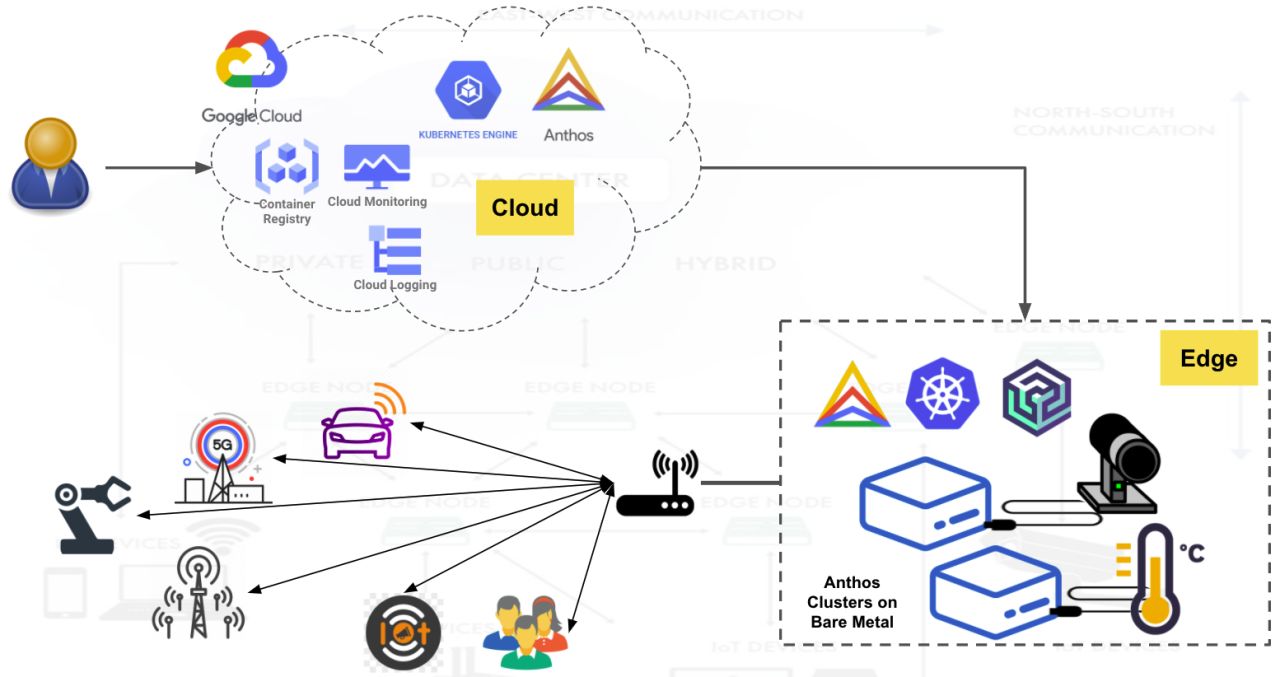
Edge Computing uses local devices to compute, store and communicate data. Edge computing can therefore be thought of as an extension of cloud services (which allow compute, storage, analytics, and other functions to be executed remotely) to the user’s local devices, speeding up computation and making it more secure.
The true edge intelligence lies in this decentralised topology, which will give rise to a new generation of chip companies focusing on computation and more.
Edge computing platforms like Cloudflare Workers and Deno Deploy allow us to write serverless middleware and backends that are both very fast and cheap.
In the rapidly-evolving technology landscape, competitive advantage is based on the ability to innovate rapidly and continuously improve an offering through software- and, increasingly, hardware-defined experiences, not to mention better services.
Demand for accelerated computing brings a large environmental impact. Remote GPU software will sharply reduce that impact via higher utilization of GPUs.
The Folding at Home research project uses crowd sourced CPU power to help model simulations to develop treatments for diseases. You can help them by taking 5 minutes to download their client, and donate some CPU Cycles.
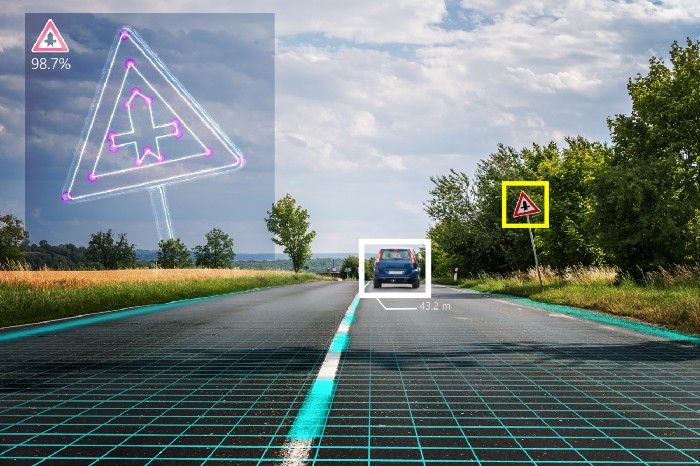
AI at the edge means that we’re simply moving at least portions of the process out of centralized data centers closer to where the data originates and where decisions are made in the physical world.
From healthcare to lifestyle, everything is being influenced by emerging technologies like IoT and edge computing. Moreover, as data remains the foundation of today’s economy, businesses can use these emerging technologies to offer a more personalized experience to their customers.
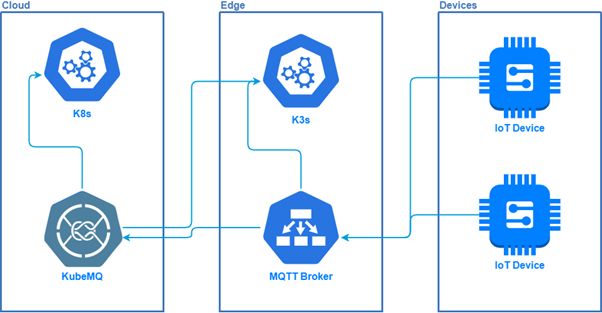
A messaging platform that was purposefully built utilizing Kubernetes is a crucial component to successful deployments in hybrid and edge environments.
Are you wondering how IoT development services and edge computing could be beneficial in your life or business? Learn more about how IoT services work in this guide.
Often, cloud applications are deployed “as is,” without the proper security controls needed to prevent data leakage, data exfiltration or malware infection.
The lightweight Kubernetes OS that is known as k3OS has quickly been gaining popularity in the cloud-native community as a compact and edge-focused Linux distribution that cuts the fat away from the traditional K8s distro. While k3OS is picking up steam, it is still on the bleeding edge and there is still a bit of a shortage of learning material out there for it.
In Part One of this two-part Q&A series we highlighted some key considerations for edge AI deployments. In this installment, our questions turn to emerging use cases and key trends for the future.
The millions of devices that currently make up the Internet of Things (IoT) reside not in the cloud but on-premises: from retail stores to factory floors.




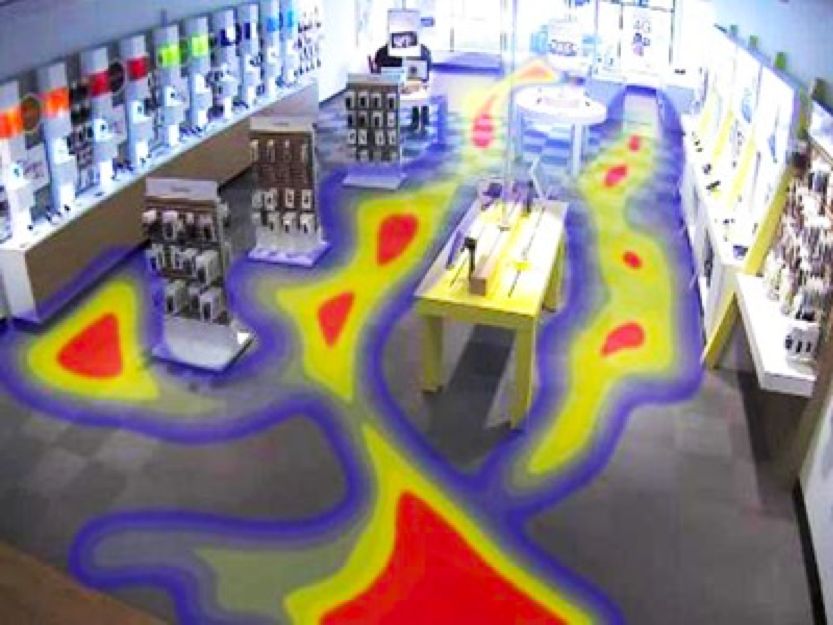




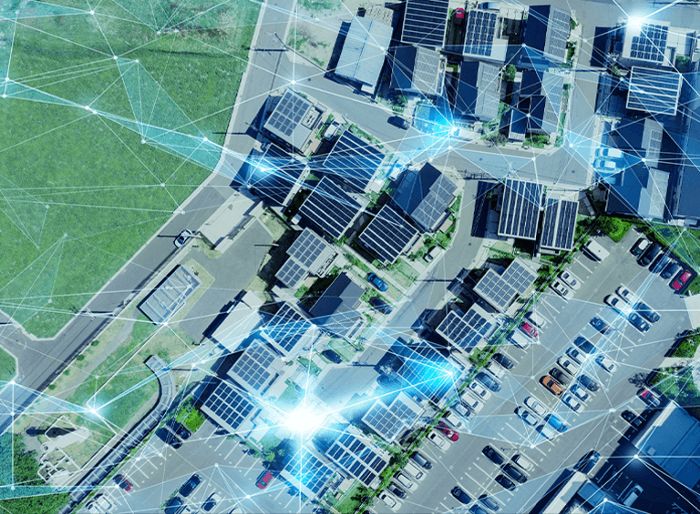









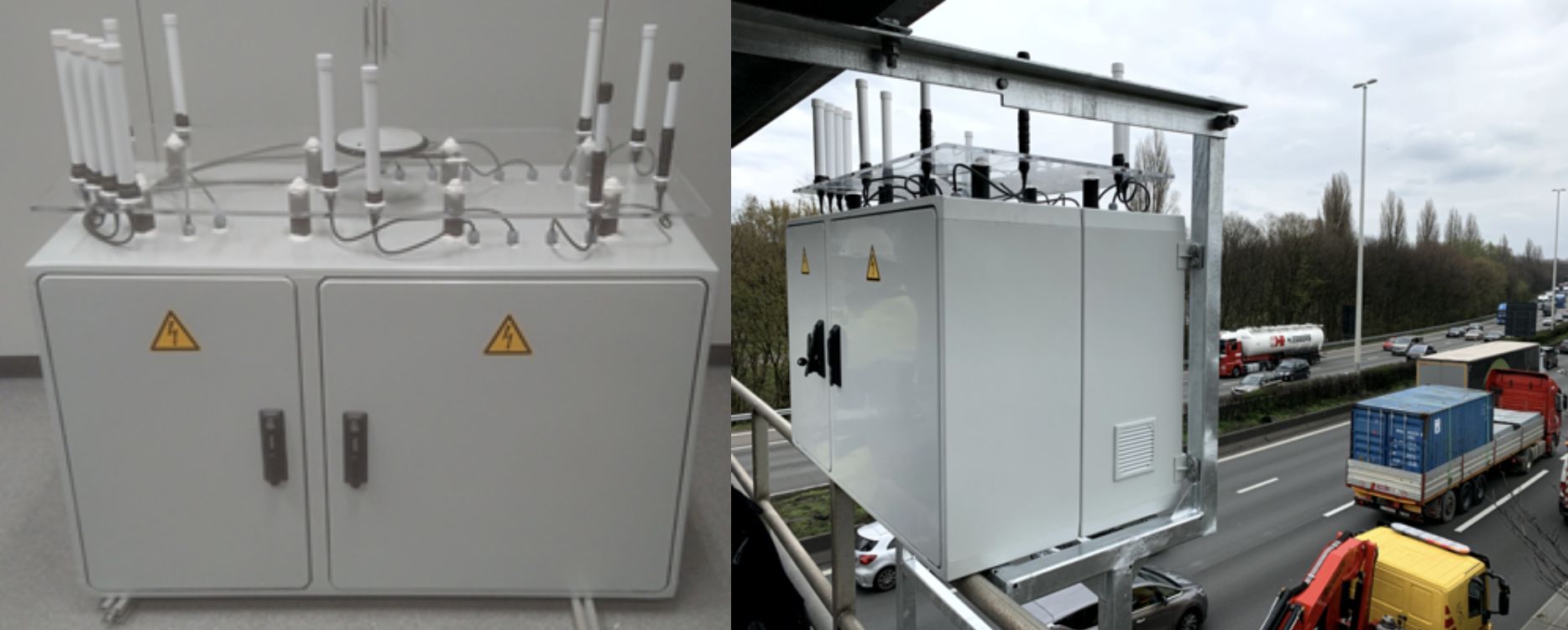
Figure 1. Singapore was ranked №1 on the Institute for Management Development’s 2020 Smart City Index Report. Credit: International Case Studies of Smart Cities