You signed in with another tab or window. Reload to refresh your session.You signed out in another tab or window. Reload to refresh your session.You switched accounts on another tab or window. Reload to refresh your session.Dismiss alert
A standard software unit that packages code and all other accompanying components. This is done to ultimately ensure smooth running of the application across computing environments.
Cloud computing has grown exponentially in the past decade and is not about to stop. As predicted by Forrester’s research, the global public cloud infrastructure will grow 35% in 2021, many thanks to the pandemic. Due to the lingering effects of covid-19 in 2021, the cloud will be the key focus for organizations looking for increased scalability, business continuity, and cost-efficiency.
Docker and Kubernetes are powerful tools that can help you in aligning your Machine Learning production cycles with the business operations requirements.
DevOps have become a popular term in the software industry since 2009. The primary reasons behind this increasing popularity are the high-speed and less-cost of development. DevOps were born to meet the increased software industry velocity. In comparison to DevOps, traditional Ops are 41% more time-consuming.
As the cloud-native ecosystem evolves, it is beginning to appear as if a challenger to containerization has emerged. In this blog post, I'm going to dive into what unikernels are, and why I think they will be the most likely candidate to replace container-based infrastructure.
kubectl can pull a lot of data about our deployments and pod. Most of the time, we humans are the recipients of that information, and kubectl obliges by nicely formatting things in pretty tables.
Jenkins Pipeline is a powerful tool when you are using Jenkins to automate your deployments. Flexible and customized actions split between stages are a good reason to try this feature.
It never fails that the CNCF seem to always be cooking up something interesting in their ecosystem. In my free time, I always seem to find myself in a habit of playing in the Sandbox to see what new cutting edge tools I can add to my collection. It is my goal today to introduce you to a project at the Sandbox stage known as "Buildpacks".
Debugging in a docker container isn't that straightforward. At least it is not in the way my team set everything up. I will describe my methods for debugging.
In this step by a step blog post, that illustrates how to integrate Python Flask applications with Docker and run them in a Kubernetes cluster, we will cover the following topics:
Back-end engineering nowadays may require the integration of multiple services. It is painful for engineers to install many services in their local development environment. Docker has provided an easier way to do this, but it will still require some scripting outside our code. It also has not exactly had a perfect solution if we wanted to test smaller functions or classes instead of the whole service. This problem has been addressed by Testcontainers [1].
Many developers still install a database on their computer and work on it.
It may be a preferable method, but using Docker takes only seconds to set up a database. I used PostgreSQL and Docker in my latest project. As a result, I have achieved efficiency and convenience. I will give you my experience with PostgreSQL and Docker.
Enterprises around the world are waking up to the containers and Kubernetes trend. There are numerous benefits of delivering an application as container packages to Kubernetes but at the same time, the process of app containerization and the subsequent app deployment to Kubernetes can hit many roadblocks. Since the idea of using Kubernetes and containers for app delivery is fairly recent, the transition from traditional delivery systems to these modern delivery systems is a bumpy ride.
The lightweight Kubernetes OS that is known as k3OS has quickly been gaining popularity in the cloud-native community as a compact and edge-focused Linux distribution that cuts the fat away from the traditional K8s distro. While k3OS is picking up steam, it is still on the bleeding edge and there is still a bit of a shortage of learning material out there for it.
We use different Continuous Integration tools in our projects. One of them is TeamCity software. A pipeline for TeamCity can be configured easily and has two steps, such as run tests and build a docker image for further deployment. However, I needed to run Postgres before running tests. I made a research, I read the documentation and this article may be useful to close a gap for team city’s documentation.
Docker is a containerization technology that allows an application to run in an isolated environment while being bundled with all the dependencies it needs to run. So it provides a standard way to run applications in a server agnostic manner.
I have been working on AOSP (Android Open Source Project) for a little
over a year now, it was my first experience working on Android as a
platform. Building and customizing your Android OS my seem like a
daunting task at first, but it is not really that hard, but i am not
here to give you a guide on how to build Android from Source but we will get to see how docker can help you in building your ROM.
A brief guide on how to create encrypted containers in Linux using Cryptsetup, giving you tools for keeping your most important files and data protected.
Docker, along with Docker Compose are the most used tools under the DevOps category, according to The State of Developer Ecosystem 2019 survey by JetBrains. Chances are if you're using Docker/Docker Compose for deployment, you'll most likely be using them for local development as well. If you only use Docker for deployment but a virtual environment for local development, you may want to look into using Docker for development to reduce the parity between dev/prod environments, as suggested in the Twelve-Factor Methodology.
Admins need to defend their organizations against a Kubernetes security incident. RBAC and PSPs will only get them so far; more security measures are needed.
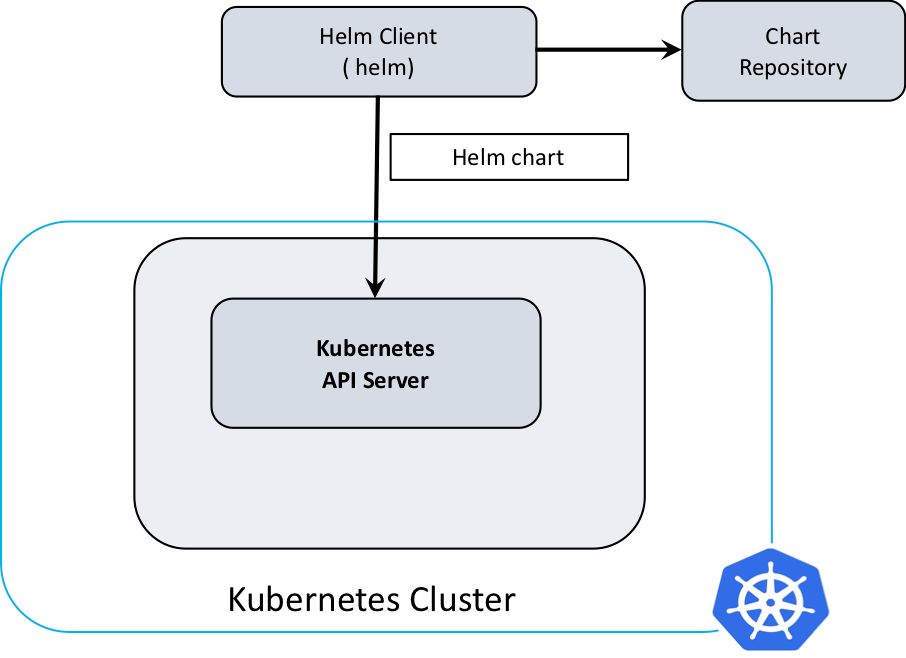
Kubernetes deployments are becoming even more complex but Helm is a good solution to bridge this deployment complexity and package Kubernetes applications
I have been using Azure Devops for a while. Like most of the cloud products out there this is one which gets constant refresh. My plan is to document the steps for building, testing and deploying an app to Azure Kubernetes Service using Azure Devops. So let's start.
In this post, learn how to run a Java Spring Boot application on Azure Kubernetes Service (AKS) and connects to Azure PostgreSQL using Azure AD Pod identity.
The inexplicable popularity of the term "cloud-native" is without real meaning.
"Cloud-Native Apps" is an overused (even abused) term in the tech industry.
DevOps teams are responsible for balancing two important forces
in their organizations’ software development efforts: shorter delivery cycle
times for applications that continue to increase in size and diversity.
In this blog post below, we have compiled a list of 21 resources and tutorials, that are helpful to start your Kubernetes learning journey.
[47. How Did Kubernetes Win the
Container Orchestration War?](https://hackernoon.com/how-did-kubernetes-win-the-container-orchestration-war-lp1l3x01)
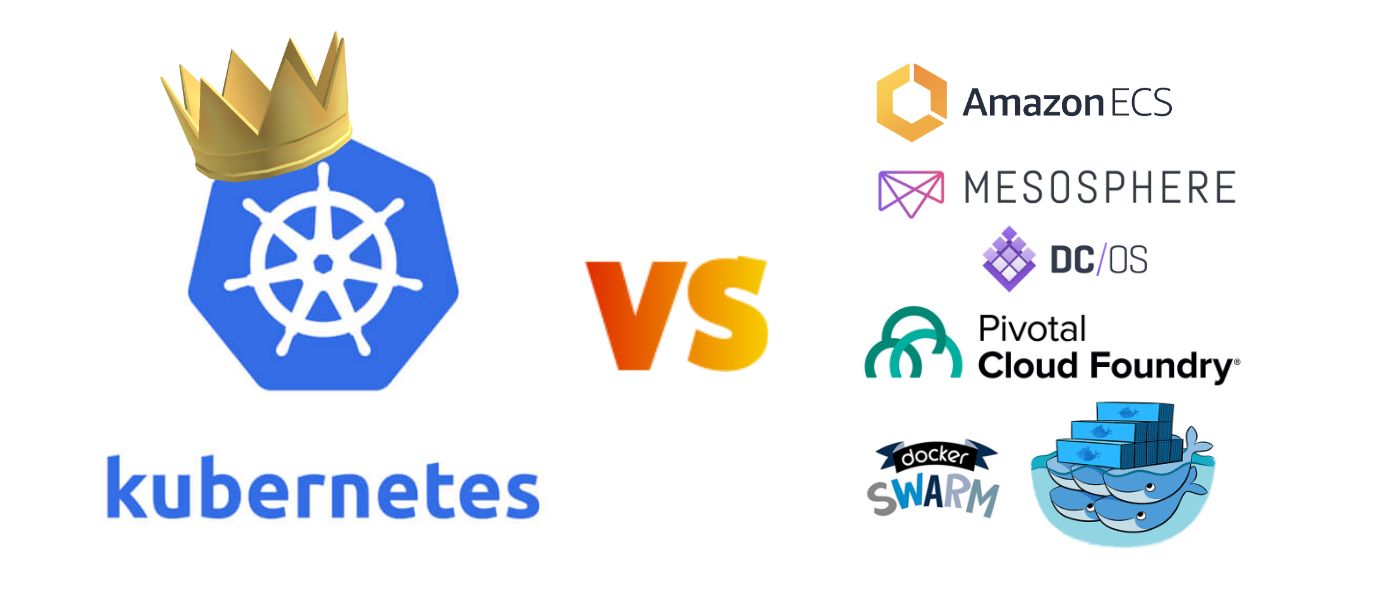
Kubernetes is now almost synonymous with container orchestration. A CNCF survey found that it is used in production by 78% of respondents. But it wasn't always like this. There used to be several big players in the field and there was talk in the industry of 'container orchestration wars.'
As time progressed, programming methods became simpler so that applications can be developed and delivered fast. This led to the popularity of low-code and later no-code approach to application development. Both low-code and no-code take a drag-and-drop visual approach to build business applications more efficiently. The idea is to reduce or replace complicated coding with a configuration approach. This allows citizen developers to build and test applications quickly.
Learn what Deployments are in Kubernetes and how to use them. Deployments are a high-level abstraction that controls how we deploy and maintain a set of Pods.
Kubernetes is the reason containerization has garnered acceptance among enterprises. Whether you like it or not, it has made your life as a developer easy.
Explore why you should track vulnerabilities after deploying your software,
ways to track vulnerabilities, and how to keep your users and business safe.
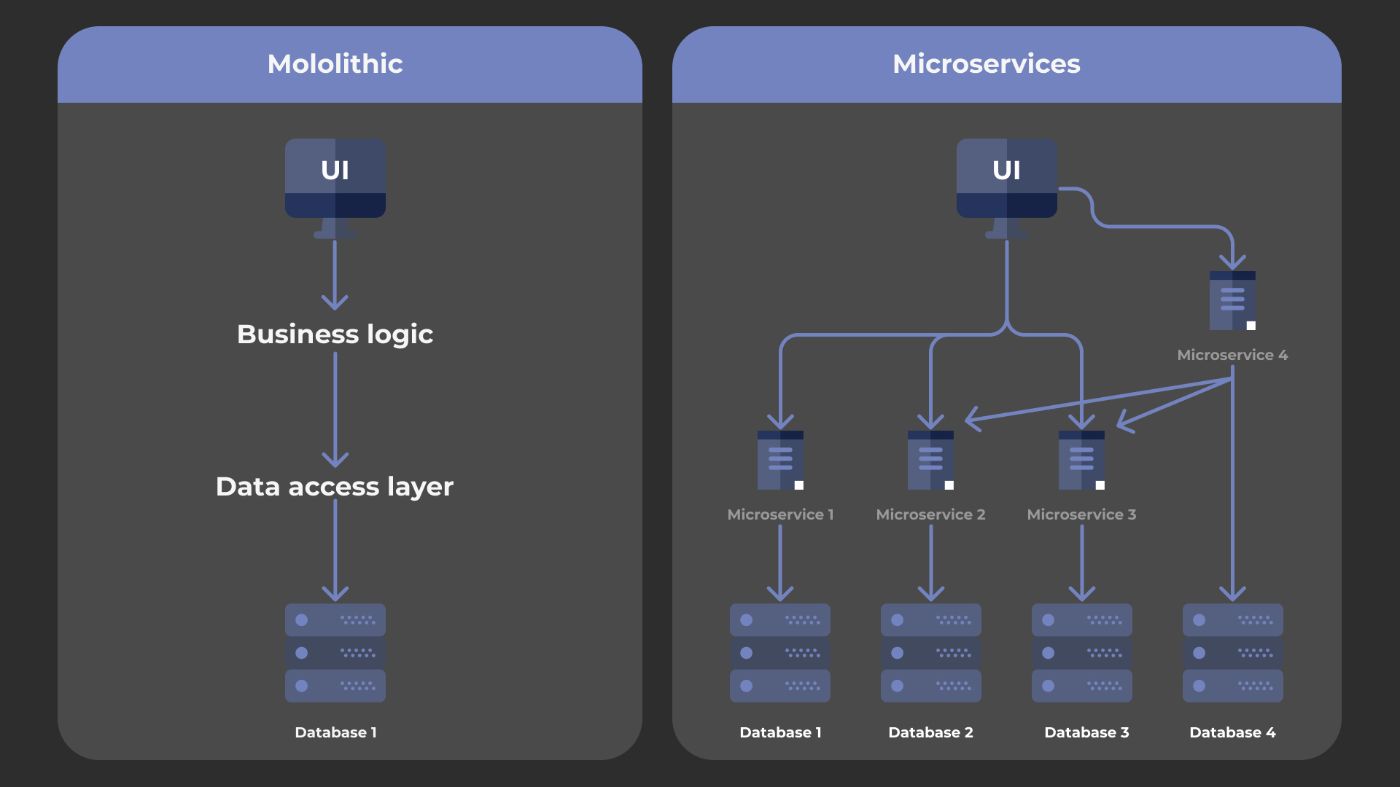
Containerization has come a long way and containers have completely revolutionized the way companies build, test, package and deliver software today. Containers are good for packaging any software. Big or small. Microservices are great candidates to be packaged and delivered with container images. With Microservices architecture, the large monolith is decoupled into several mini services that work independently.
Docker allows developers to package applications in containers. This article will show you how to create your own container, upload it to the repository.
Kubernetes is the Greek word for helmsman or pilot. It is now accelerating the digital transformation at firms by helping them transition away from legacy technology and embrace cloud-native software development. The recent KubeCon event had a gathering of more than 12,000 developers and executives from around the world in San Diego. Every company wants to take advantage of Kubernetes and its ability to automatically deploy, manage, and scale software workloads in the cloud.
Containers provide a way to run your application by packaging it with every dependency it needs. This article will look at Linux containers and their uses.
Primary focus of Developer is to write code. Build, Test and Deploy of the application are better left to be managed by tools. skaffold can help in automating some of mundane tasks that comes with using kubernetes.
Today, we no longer talk about development and operations in isolation. DevOps actively combines these two, which is an essential factor in the modern software lifecycle. Along the way, Docker containers have also become popular due to the benefits they offer for DevOps. Containers affect DevOps mainly in two ways.
Docker allows allows enterprises to easily integrate the benefits of containerization into their development lifecycle and operations, optimizing time & money.
Nowadays, putting shiny new applications in containers seems to be the way of the future, and for good reason. They offer platform portability, hardware efficiency, and enhanced security. In this tutorial, we are going to take a very simple Flask API, put it in a Docker container, and then test it out using Postman.
If there's one thing that Kubernetes makes easy, it's creating resources – pods, deployments, volumes – before long you'll have tons of them lying around.
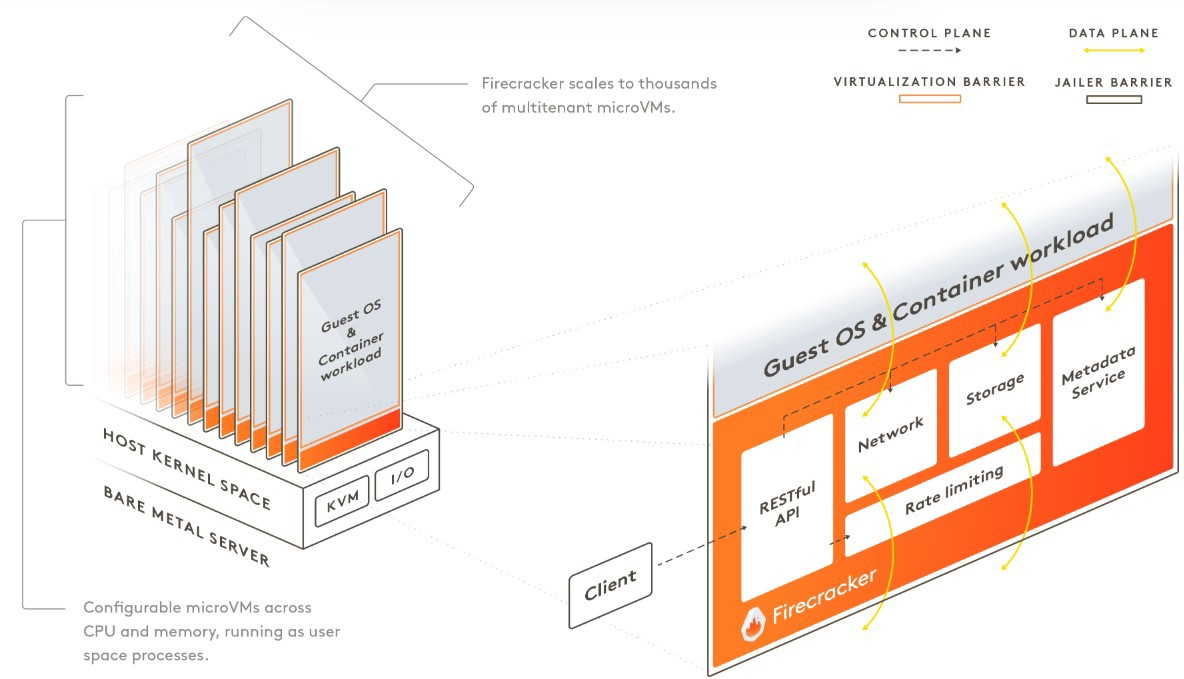
Firecracker is a Virtual Machine Monitor, written in Rust that Amazon Web Services use to power it’s Serverless Compute services — Lambda and Fargate. Firecracker makes use of Linux’s Kernel-based Virtual Machine virtualisation infrastructure to provide its products with MicroVMs.
Kubernetes has become the de-facto standard for managing containerized applications. However, this usage also led to an increased attack surface for K8s.
Engineering teams have always had constant pressure to deliver software faster, cheaper, and more reliably. As a result, many of the recent trends in backend infrastructure have been driven by these factors.
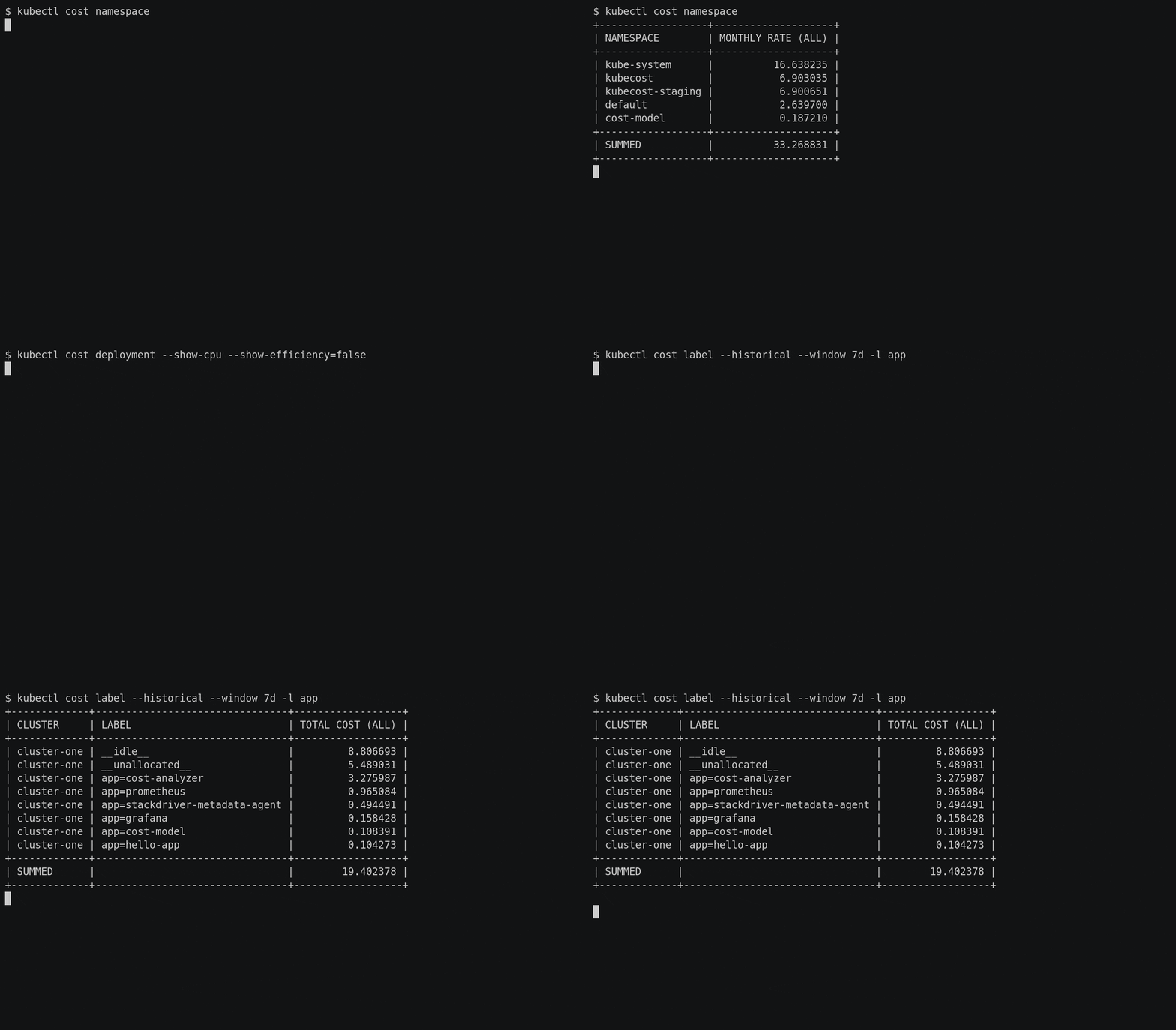
Kubectl cost is an open source kubectl plugin designed for those who interact regulary with Kubernetes and need to control the costs of their infrastructure.
When you deploy stuff for a living, you find yourself waiting around, a lot. Wait for Terraform to spin up the AWS VPCs. Wait for the Kubernetes cluster node VMs to boot. Wait for the Kubernetes cluster to coalesce. Wait for the CNI pods, DNS pods, and kube-proxy bits to be happy. Wait, wait, wait.
You write a great script for interacting with Kubernetes. It would be great if you could pretend that your script was officially part of the kubectl repertoire.
Security has become a primary consideration for any technological solution. Here are the NSA's recommendations for securing Kubernetes against hackers.
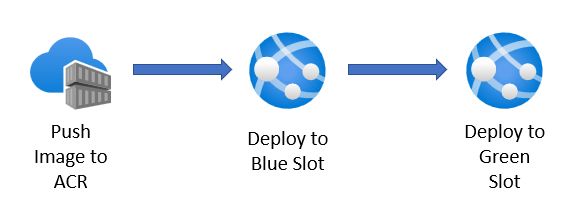
Using Deployment slots, we can perform Blue/Green deployments in Azure App Service to achieve zero-downtime deployments for our containerized workloads.
kubectl can pull a lot of data about our deployments and pod. Most of the time, we humans are the recipients of that information, and kubectl obliges by nicely formatting things in pretty tables.
On August 20, 2020, a provider of access management tools released an advisory detailing several misconfiguration issues that affected the kubelet. This feature of Kubernetes functions as the primary “node agent” running on each node. In order to support this functionality, the kubelet maintains full control over a pod running in a node.
Software is eating the world, in all sectors. Marc Andreessen, the founder of Netscape, said it long back about how software is eating the world. He also summarised that every company is a software company these days, and software companies are poised to take over broad swathes of the economy. You’ll see DevOps clearly in 2020, where continuous updates transform the way software is delivered to a nearly-limitless marketplace. DevOps has become a must to thrive in this highly competitive technological world.
Ever since Docker went live in early 2013 it’s had a love-hate relationship with programmers and sysadmins. While some ‘experienced’ developers that I’ve talked to have a strong dislike for containerization in general (more on that later), there’s a reason why a lot of major companies including eBay, Twitter, Spotify and Lyft have reportedly adopted Docker in their production environments.
Recently, NSA updated the Kubernetes Hardening Guide, and thus I would like to share these great resources with you and other best practices on K8S security.
This guide will walk you through the process of setting up Jenkins on Kubernetes. Jenkins is a widely-used open source CI server that provides hundreds of plugins to support building, deploying and automating your projects.
A service mesh’s primary objective is to handle internal service to service communication, while an API Gateway handles external client to service communication. It is required to apply API Management for the microservices that are in a service mesh. Although they overlap in some cases, service mesh’s focus and API Management focus is different. For an example, API gateway handles north south traffic, while service mesh handles east west traffic.
Stretching as far back as version 1.8 (in September of 2017), Kubernetes has supported a fine-grained access control mechanism called RBAC. Nothing gets done via the Kubernetes API that isn't governed by some sort permission or another, and there are a lot of them.
Welcome to this tutorial series, where we will evolve from the anatomy of a container inside the Linux Kernel, and will keep building pieces and evolving till the publication of a service into an Orchestration Platform. The general idea is to detail as much as possible (without being massive) how is things working under the hood.
UNIX/Linux system administrators the world over regularly use log files to get to the bottom of outages and malfunctions. An indispensable tool in that regard is tail(1), particularly its follow mode flag (-f). When we're in a Kubernetes world, we'd love to use something similar.
If you've spent days (or even weeks?) trying to spin up a Kubernetes cluster for learning purposes or to test your application, then your worries are over. Spawned from a Kubernetes Special Interest Group, KIND is a tool that provisions a Kubernetes cluster running IN Docker.
What is containerisation and what’s so great about it anyway? You may work with container-based applications every day at work, but there comes a time when an intern or a fresh graduate new joiner (or perhaps a non-IT colleague) in your team ask you these questions and you find yourself stopped in your track thinking: “where should I start?”.
The Docker Hub CLI Tool is a helpful containerization tool that can be used with Command Line. It is slightly experimental but still incredibly helpful.
A landscape view of how to rightsize Kubernetes workloads, from single containers in a pod to hyperscaled serverless deployments, examining tools and techniques
At some point we've all said the words, "But it works on my machine." It usually happens during testing or when you're trying to get a new project set up. Sometimes it happens when you pull down changes from an updated branch.
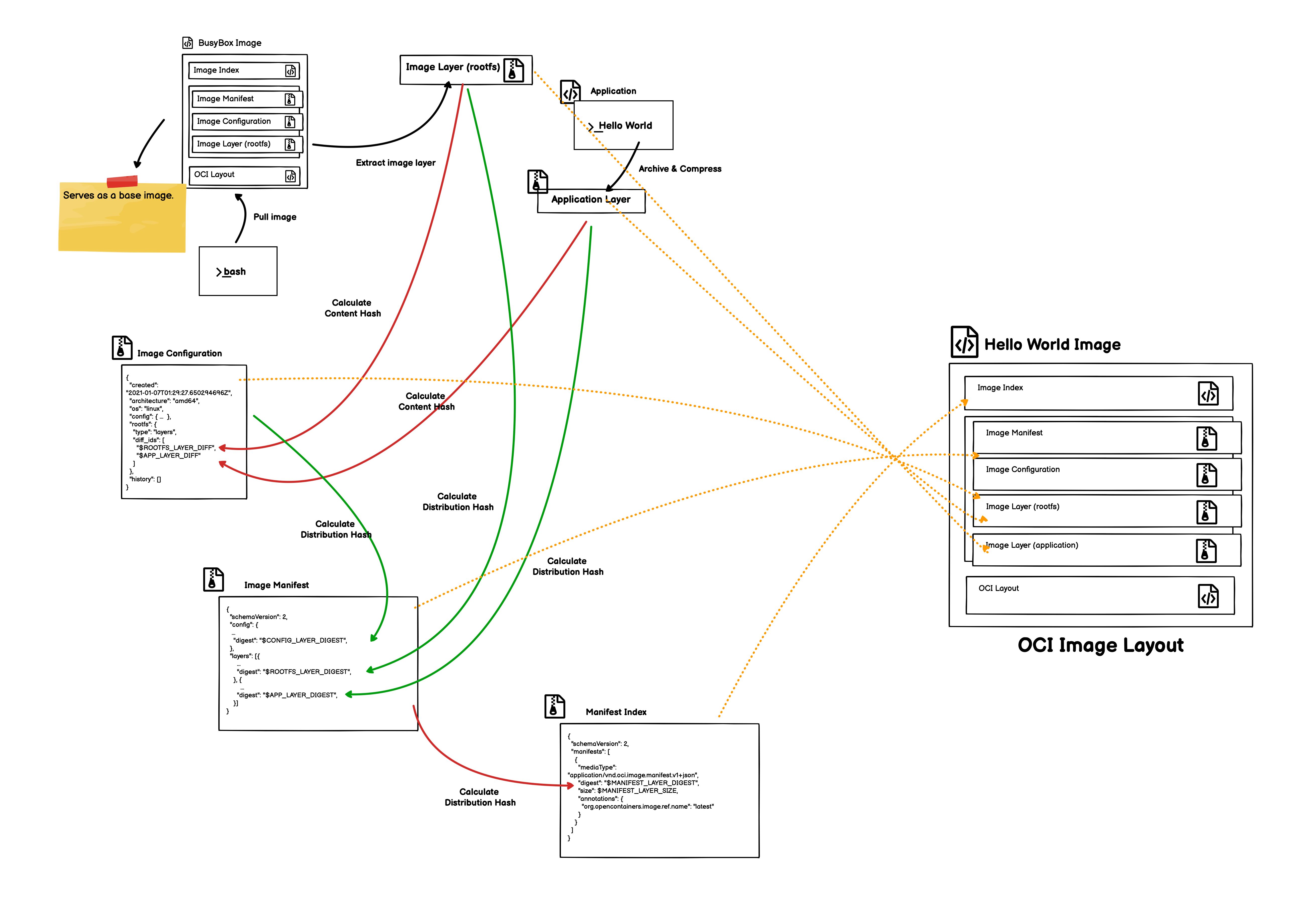
Buildah is a tool for building OCI-compatible images through a lower-level coreutils interface. Similar to Podman, Buildah doesn't depend on a daemon such as Docker or CRI-O, and it doesn't require root privileges. Buildah provides a command-line tool that replicates all the commands found in a Dockerfile. This allows you to issue Buildah commands from a scripting language such as Bash.
This post explains what containers are, key benefits of containers in software dev and discusses why you might consider adding them to your DevOps processes.
Write Once, Run Everywhere embraces flexibility of spinning applications up and down for users. Let's find out why and how to secure containerized environment.
Most of the startups facing scaling problems move to microservices. Inspired by cell-based architecture, it split services per function and scale only specific features. It works especially well for B2C where traffic is uniformly spread across users. However, B2B can face a different type of scaling issue where only one user is scaling. A pool architecture is a simpler yet powerful solution, used both by GAFA and fast-growing startups.
The advantages of moving security into the DevOps lifecycle early are well-studied. For example, Puppet’s 2019 State of DevOps Report details numerous ways that both security and DevOps improve when security is integrated into DevOps earlier (aka: Shift Left).
What's the difference between popular Container-Centric OS choices, Google’s Container-Optimized OS, and AWS’s Bottlerocket? The concepts underlying containers have been around for many years. Container technologies like Docker, Kubernetes, and an entire ecosystem of products, as well as best practices, have emerged in the last few years. This has enabled different kinds of applications to be containerized.
Kubernetes is ideal for container orchestration. Because of its features, it also comes with complexity. In this article, we will discuss when to use Kubernetes
In the last several years, Google’s Kubernetes project has generated huge buzz. The project has grown and evolved into a titan of the cloud infrastructure world.
Kubernetes enables you to deploy, scale and manage your container-based applications and multi-cloud management tools simplify the use of different clouds. Together this might help us to finally understand and optimize the pricing of our infrastructure.
Cloud computing is becoming more and more of a household name, with even the most conservative fields of business figuring out how to make the best use of it. Cloud computing usually starts with running a private cloud solution on premises before venturing onto the public cloud. Of course, the cloud is not a single uniform being. It may come from different providers, Amazon Web Services, Google Cloud Platform, and Microsoft Azure being the biggest players here. Or it may come with different visibility and hosting, that is, public (resides with the provider), private (self-hosted), or hybrid (which uses a bit of both). And the cloud can use different tools and APIs for management as well.
Learn how to proxy sites and API in a few examples, automate getting certificates and even add some middleware (to add headers for example). YAML tutorial.
If you've been into software or web development for any amount of time, chances are that you at least heard of Docker. Maybe you're like me and have avoided using it because it seems complicated or difficult to set up.
By nature, pods in Kubernetes clusters are ephemeral. They can be created, killed, and moved around by the scheduler. This may occasionally cause disruption in the microservices if pods are not configured properly.
This blog covers additional factors you should take care of to successfully deploy Kubernetes cluster in production alongwith choosing a managed cloud. Read on.
If you have worked with software systems long enough you have surely worked with crons. Cron is a time-based task scheduler in UNIX-like operating systems. We use to run some task/script periodically, for example, every day at 9:30 AM.
Kubernetes is an open-source container orchestration system that is designed to help you build a scalable infrastructure using high load approaches on a weak server. In this article, we’ll show you why Kubernetes is worth using in 2020.
When you first look into Docker, what it does, and how it works, it appears to be a neat tool to help with application packaging and deployment. It's not until you start using it, however, that some of the other benefits that developers love so much show themselves. So, to discover why this tool has become so popular, here are Ten Reasons Why Developers Love Docker.
Kubernetes in the leading Container Orchestration platform that allows you to apply fast and streamlined infrastructure workloads using a declarative API.
Secure Computing Mode, also known as Seccomp, is a Linux kernel feature that improves several security features to help run Docker in a more secure environment.
Applications built on monolithic/ 3-tier/ n-tier architecture often fail to meet the market demands in terms of scaling and performance. This is generally attributed towards the inflexible nature of these architectures, where code base becomes unmanageable due to various reasons - like addition of new features, identifying dependencies, and side effects that could crop up due to scaling, etc. In these environments, adopting new technologies and making changes take a long time. The bottom line is that they are less agile and ancient.
Welcome to this tutorial series, where we will evolve from the anatomy of a container inside the Linux Kernel, and will keep building pieces and evolving till the publication of a service into an Orchestration Platform. The general idea is to detail as much as possible (without being massive) how is things working under the hood.
There is a new hype in the DevOps world: Istio and service meshes. But why exactly is everyone suddenly migrating to Istio? In this post, we will examine whether it actually makes sense to use Istio and in which use cases it may help you (as well as when it’s simply an overkill).
It is undeniably confusing if you’re unfamiliar with infrastructure technologies and leaning towards DevOps principles will further complicate the situation
Workload identity is a modern way to provision keys for pods running on Google Kubernetes Engine. It allows individual pods to use a service account with a suitable set of permissions, without manually managing Kubernetes secrets. In this article, we will describe Workload identity, compare it to other approaches, and finally show a real world example on how to configure a Kubernetes cluster with Workload identity enabled.
We’ve all been there. You’ve read a lot about the basics of Docker, Kubernetes, Pods, ReplicaSets, Deployments & more. The different parts that are used to build cloud native applications.
This article demonstrates how you can use the Operator Lifecycle Manager to deploy a Kubernetes Operator to your cluster. Then, you will use the Operator to spin up an Elastic Cloud on Kubernetes (ECK) cluster.
Recently I was working on a project which includes Terraform and AWS stuff. While working on that I was using my local machine for terraform code testing and luckily everything was going fine. But when we actually want to test it for the production environment we got some issues there. Then, as usual, we started to dig into the issue and finally, we got the issue which was quite a silly one 😜. The production server Terraform version and my local development server Terraform version was not the same.
Continuous Integration/Delivery (CI/CD) is one of the most obvious candidates for moving to a Kubernetes cluster, as you automatically enjoy all the benefits of Kubernetes scalability. In traditional CI solutions, companies employ a fixed set of build nodes that teams must manually monitor and upgrade.
Ansible is a Configuration Management and Application Deployment system that is designed to streamline the process of controlling a large number of servers, basically for administration and operational processes. In other words, it allows you to control several remote machines in an automated fashion from a location.
In the last guide, you learned how to set up, install, and configure Ansible on Ubuntu 18.04. Now, you will use the Ansible to install and set Docker on a remote machine. To begin this guide, you need the following:
The building block of almost all Kubernetes deployments is the pod – one or more containers sharing a network stack. Pods are where the magic happens, where we get our logs, and where we spend most of our time troubleshooting outages and malfunctions.
So recently I got involved with an ASP.NET project which was build over 10 years ago and over the years Developers and Change Requests came and went. And over the period the Application became quite cumbersome and quite hard to understand and manage, the Application became quite large in terms of functionality, codebase and data.
Sysdig is a universal system visibility tool with support for containers. What makes Sysdig special, is that it hooks itself into the machine's kernel and segregates the information on a per-container basis.
In this article we will learn about how to create docker or OCI complaint images without installing any docker client or using Dockerfile for our SpringBoot application. We will be doing all of this with help of Jib.
With the increasing popularity of containerized applications, the container orchestration platform Kubernetes has become a must in the toolset of a developer.
When using Docker to run applications security is a major concern, but it can sometimes be easy to forget as we focus first on functionality. This doesn't need to be the case, as AWS Elastic Container Registry (ECR) can now be setup to automatically scan images on push, and provide feedback on any vulnerabilities that need to be addressed.
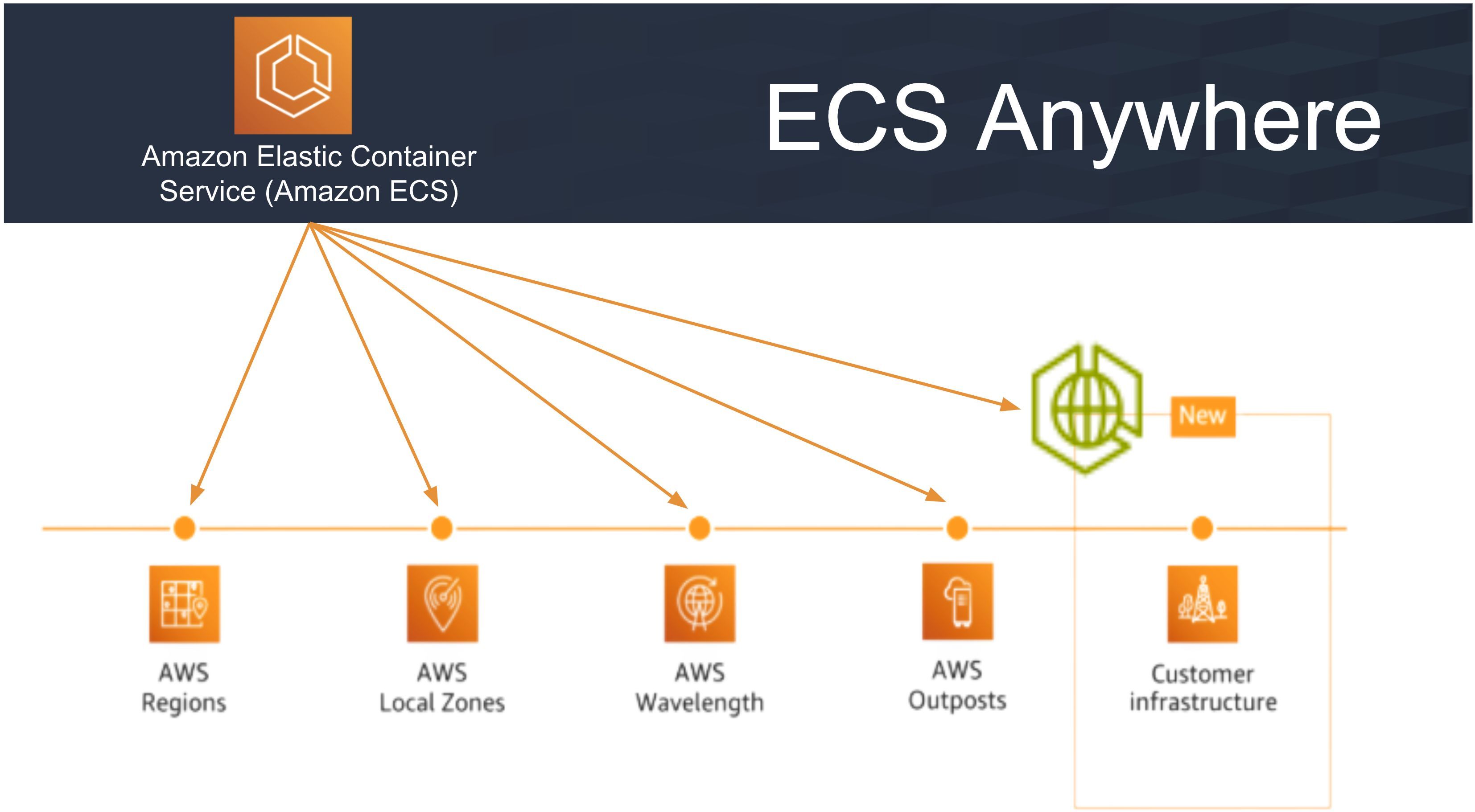
Amazon ECS Anywhere gives customers the ability to run Amazon ECS on any infrastructure using the same cloud-based, fully managed, highly scalable container orchestration service and control plane they use in AWS today.
In our previous post, Kube Explained: Part 1, I described how the introduction of the cloud resulted in CI/CD, Microservices, and a massive amount of pressure to standardize backend infrastructure tooling.
Meta: KubeMQ, makers of the eponymous Kubernetes-native message queue, has a new web-based tool that promises to make setup a breeze. Let's try it out!
Python is a versatile programming language that is popular and widely used for various applications, such as data science modeling and REST APIs. However, managing and maintaining a complex Python development environment can be challenging, especially when working on large or multi-faceted projects.
Ah yes—“It works fine on my machine!” Perhaps the most famous saying in our industry. Even with the advent of containers that provide consistent environments across the SDLC, we still hear developers fall back to this claim when a defect is found. But in the end, if the code doesn't work in test or production, it doesn't work—even if it works locally. So as a developer, being able to deep dive into your containerized application to fix the problem—regardless of the environment—is a critical skill we must all learn.
Podman is the command-line interface tool that lets you interact with Libpod, a library for running and managing OCI-based containers. It is important to note that Podman doesn't depend on a daemon, and it doesn't require root privileges.