You signed in with another tab or window. Reload to refresh your session.You signed out in another tab or window. Reload to refresh your session.You switched accounts on another tab or window. Reload to refresh your session.Dismiss alert
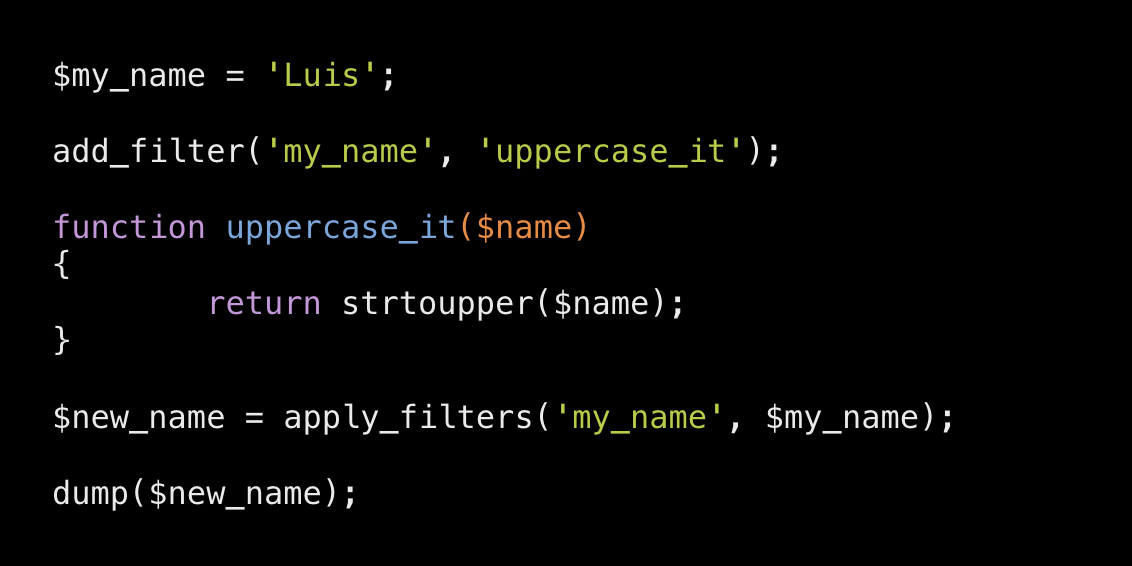
To be very honest, I've been developing for WordPress for quite some time (more than a year) but the idea of filters and actions still unclear to me. So recently, I decided to solve this problem once and for all.
A common approach to website development is to build components that can be reused across different web pages. The benefit to this approach is that you end up doing less duplicate work by managing the components rather than managing duplicate content across different pages. Popular JavaScript frameworks like React, Vue and Angular utilize this concept on the application code level to much success. How can we benefit from this approach on the content management level?
Check out this website boilerplate built on Next.js and Cosmic JS. It satisfies some common website requirements including dynamic pages, blog articles, author management, SEO ability, contact form and website search.
Launching a startup comes with a lot of difficulties and could prove very unnerving. You definitely will want to come up with lots of content and managing this will cost you a lot in financial and human resources if done manually.
We cannot deny the splendid features and functionalities that the WordPress Content Management System has in its pocket. It powers approximately 34% of all websites on the Internet.
It is a web developer’s dream to get clients who understand development requirements. As a web developer you might be fluent in CSS, JavaScript, PHP, and of course, HTML. Hand coding skill is what makes a web developer indispensable.
Now that we're a few days into 2020, it's time to take a few steps back and reflect on some of our accomplishments from 2019. First of all, I'd like to thank the community and our team for not only surviving 2019, but continuing to build momentum into the new decade. Let's celebrate our accomplishments and keep the delivery train rolling! 🚂🎉
In this post, we’ll go through 3 different periods of the CMS evolution. For each period, we’ll explore the most popular solution(s), their stack, and also how the current market trends are looking like for them.
The most effective and dynamic Top 10 Tips that you might want to work on and choose in order to choose the right CMS platform for your business website.
We’re excited to announce TinaCMS: an open-source site editing toolkit for React-based sites (Gatsby and Next.js). See the announcement video at JAMstack Conf SF (the demo starts at 3:45).
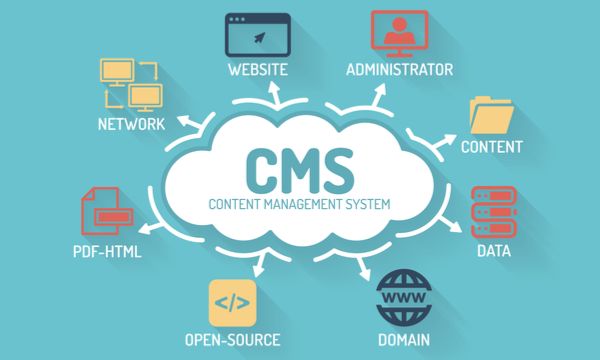
A headless content management system, or headless CMS, is any content management system that separates the content layer (backend) from the presentation layer.
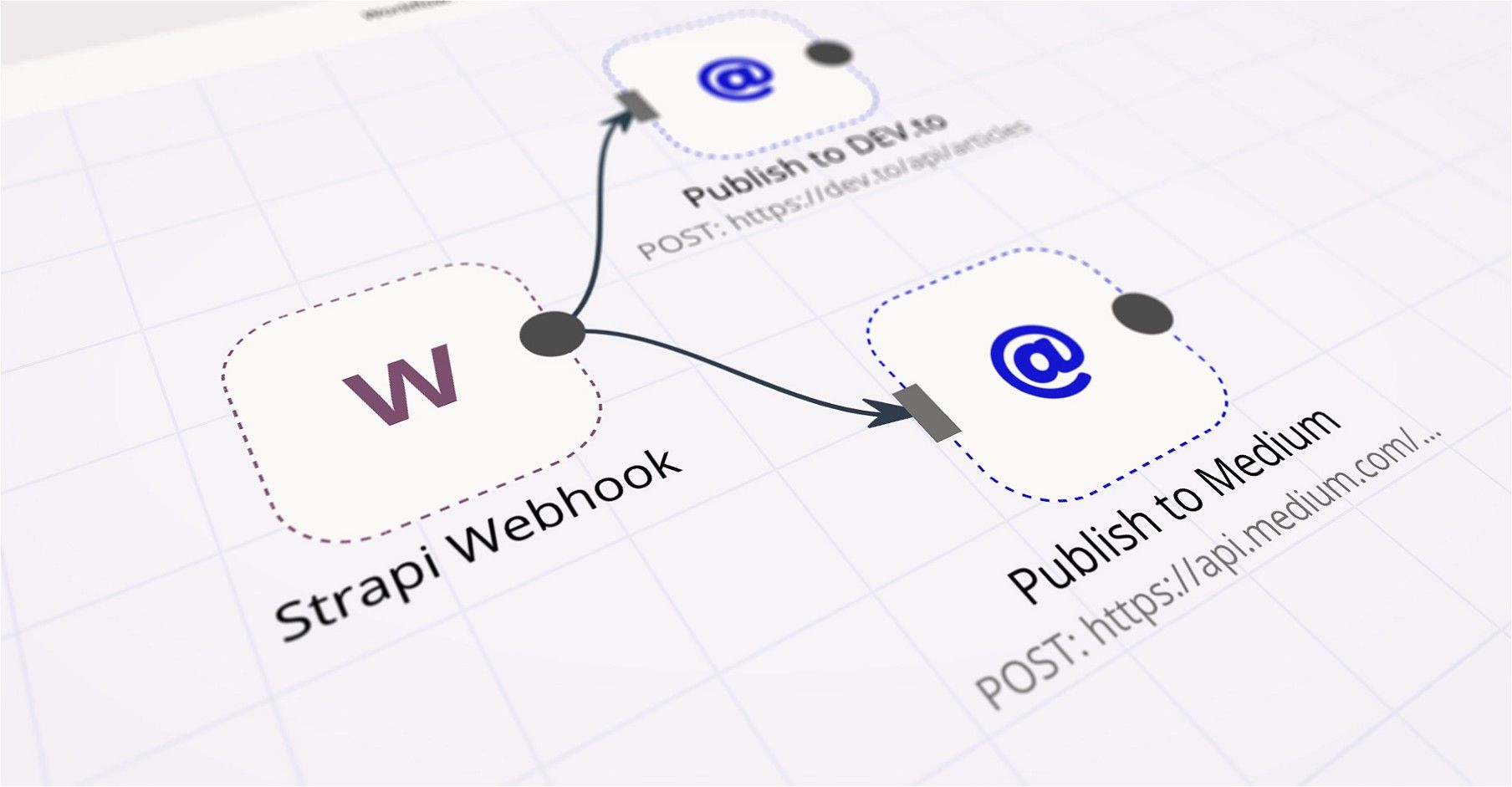
Blogging isn’t just about writing quality content, but also ensuring that it reaches as many members of your audience as possible. This means that bloggers have to post an article multiple times on different platforms. This often entails ensuring that the formatting and layouts are consistent across platforms, which tends to be a time consuming (and exhausting) ordeal.
TLDR;
Cosmic JS provides an excellent backend for blogs. It is a fully-featured content management system (CMS) with an intuitive user interface that a non-technical client can use to manage their site content.
In an age where content is playing a key role in the scalability and management of one’s presence online, succeeding in your business journey is almost impossible without a reliable Content Management System (‘CMS’).
For building your own website, there are two popular market leaders to choose from: WordPress and Drupal. Both platforms are content management systems (CMSs), and both provide you with a DIY option to build and run all types of content on your website.
Digital Commerce is growing exponentially since its inception. According to a report published by Statista, global online sales are expected to reach USD 3.45 Trillion by the end of 2019 which is 13.7% of growth compared to the preceding year.
As smartphones and mobile devices continue to remain as the most widely-used platforms to access the internet, businesses pay extra attention to ensure that users get a seamless experience while accessing their websites on these devices. However, not all websites are mobile-friendly, which means that most of the features of those websites would remain dysfunctional if they are accessed on mobile devices. And this boils down to the fact that visitors would not be able to optimally experience the benefits that your website is designed to offer and this will lead to reduced levels of user engagement and decreased sales.
Digital Ocean, a hosting provider beloved by developers, provides a highly intuitive interface for deploying and managing application infrastructure. In this tutorial I’m going to show you how to install and deploy a Cosmic-powered Nuxt.js app on Digital Ocean. In just a few commands, and a few minutes, you’ll be up and running with a Cosmic-powered app on a scalable Digital Ocean Droplet, ready for team collaboration.
There are many options when it comes to publishing a news product. Some publishers choose to collaborate with other publishers to develop their own platform,
For many businesses, the website is often the first point of contact with their audience. Even today, more than 15 years, later most businesses go with Wordpress as their website solution.
If you’re thinking about starting a blog need to choose a blogging platform. There are other options aside from WordPress available to chose from like Wix, etc.
Video is hard. Encoding, serving the right version to the right browser, device optimization, bandwidth consideration, it’s all pretty daunting. Thankfully there’s Mux and the new Mux Videos Extension, which allow you to add best-in-class video delivery to your application without the headache.
In this tutorial I’m going to show you how to create a simple blog using Node.js and Cosmic JS. This is going to be the fastest and most light-weight blog you have ever created. Let’s get started.
Sitecore’s Experience Platform (XP) is a .NET enterprise content management system (CMS). Sitecore XP provides you with tools for content management, digital marketing, and analyzing and reporting.
If you run a search for a "content manager" on the Internet, you will not get a clear understanding of what they do and what skills they are expected to have.
There are signals that you can notice to check if the security of your site is intact. By taking action at the right time, you can protect your online presence from any severe damage.
WooCommerce is required if you want to create an excellent e-commerce website on WordPress. It is an open-source, completely customizable e-commerce platform that allows you to create fully functional online stores.
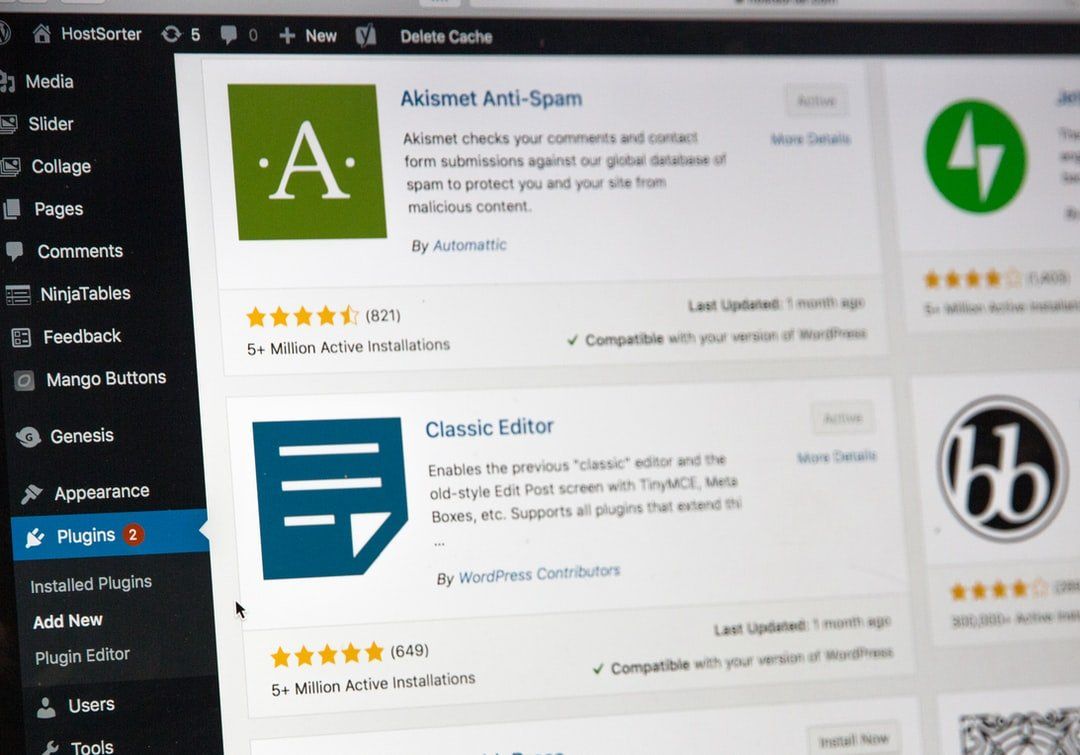
The Gutenberg Wordpress editor is a new WordPress editor which was first introduced to the world in 2017. This editor differs from the previous WordPress editor in the sense that it has many additional features. You shall be happy to know that it is actually a blessing for people who are on the non-technical side. You can create and perform edit operations on websites very easily.
To blog effectively, you need to use the right tools and grow your business. Here are the critical tools that will help you leverage blogging to meet your goals
The inception of WordPress in 2003 heralded an era of accessible online presence. Evolving from a simple blogging platform to an advanced content management system, WordPress has become a household name in the world of digital innovations.
Competing for prime placements in SERPs have a bad reputation for being overly complicated. However, the core fundamentals for making it into the top 3 results on Search Engines, heavily depend on mastering the three essentials:
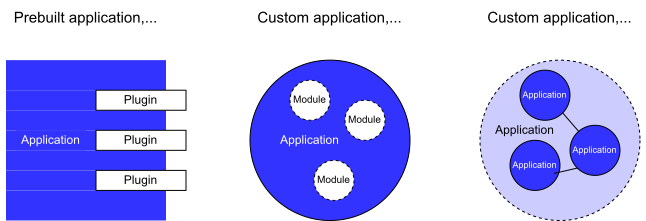
There's a big hole in reusability on the web. An entertaining statistic - not the most accurate but still fascinating - was generated by Simon Wardley from a Twitter poll. He calculated that basic user registration had been written over a million times. The average developer had written user registration about 5 times. I'm sure you've built it a few times yourself.
Amy Tom talks to Pavel Desjnuk, Co-founder and CTO of Webiny, and Richard Kubina, Full-Stack Developer Extrodinaire at Hacker Noon, about serverless CMS.
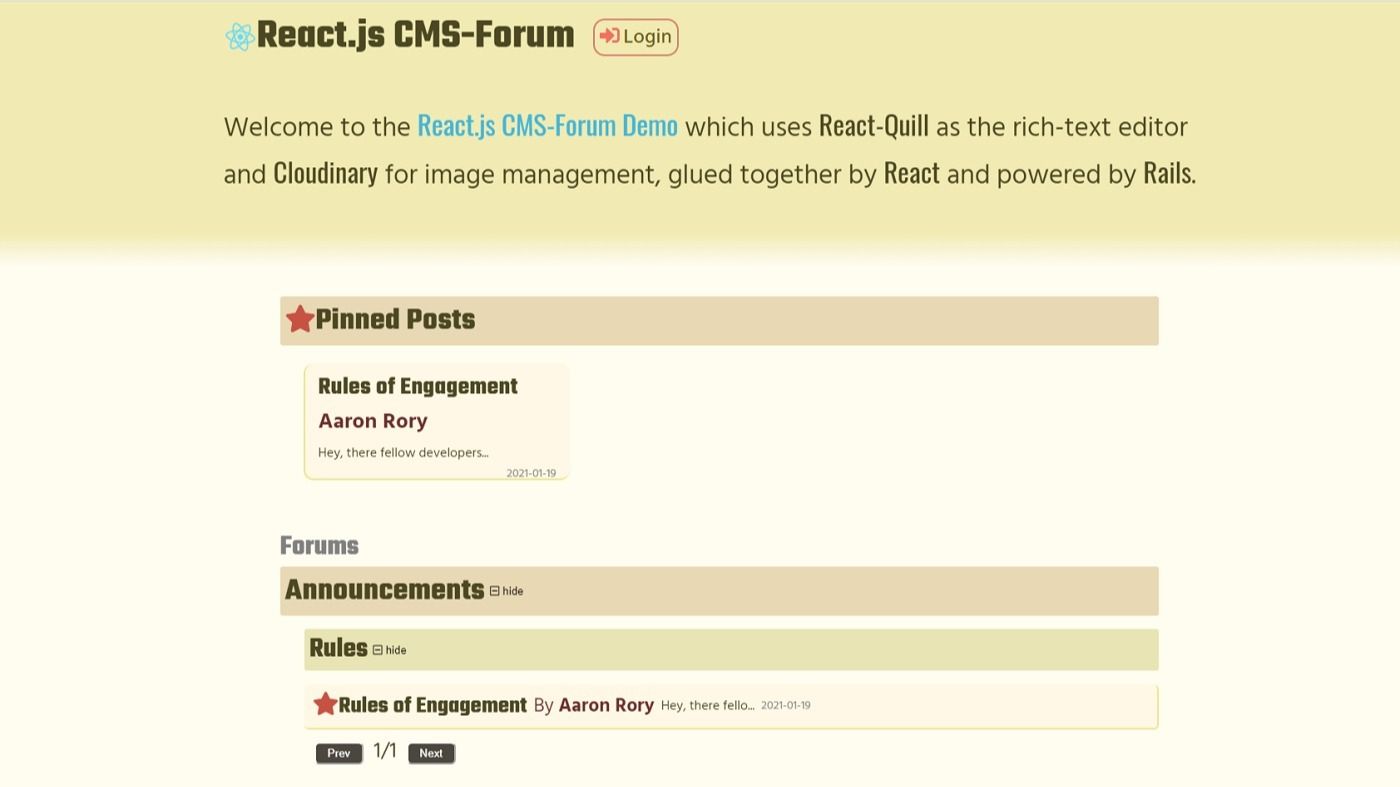
In this project, we will be using React.js, Ruby on Rails, React-Quill, and Cloudinary to build a forum whose content is manageable by the site's users.