You signed in with another tab or window. Reload to refresh your session.You signed out in another tab or window. Reload to refresh your session.You switched accounts on another tab or window. Reload to refresh your session.Dismiss alert
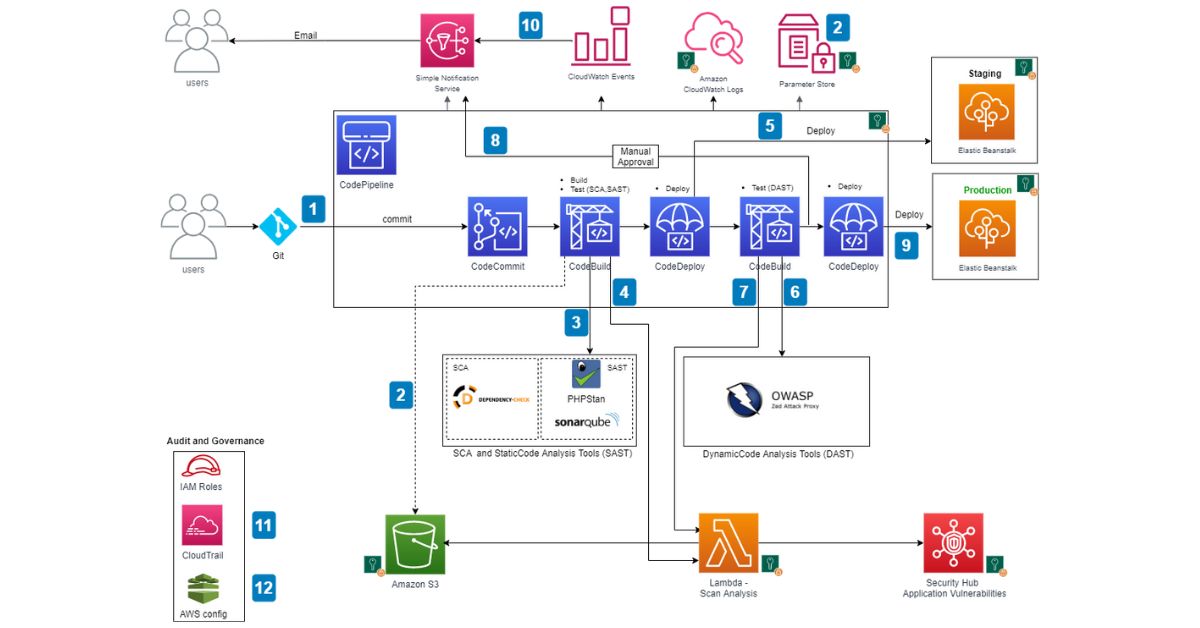
The OWASP Dependency-Check tool is a popular tool to check dependencies. We will discuss how we can run it standalone or integrate it into CI/CD Pipeline.
How to easily deploy on Gradle for your Linux server without needing an entire development pipeline that the process normally requires you to have on hand.
DevOps practices are spreading , and many companies every day are implementing CI/CD process. The blog talks about the top 10 CI/CD tools. Learn more.
[10. Getting Started with GitOps 2.0
Using ArgoCD & Codefresh](https://hackernoon.com/getting-started-with-gitops-20-using-argocd-and-codefresh-9cs3zl1)
GitOps is the practice of deploying applications by using Git Operations only (and not clicking UI buttons). The paradigm already existed in one form or another but was officially named as “GitOps” in 2017 by Weaveworks and has since become very popular for Kubernetes deployments.
Buildkite is gaining momentum as an excellent CI tool, and I recently was involved in such a migration from CircleCI and wanted to share my experience.
Stop publishing your Android apps manually and start doing this fully automated at any stage with the boilerplate for building a CI/CD pipeline for Android.
If you are responsible for your team’s CICD and DevOps tools, have you ever asked yourself if the tools you built are really making developers’ lives easier?
Mobile testing is the process of testing mobile applications for functionality, usability or performance through the use of tools or open-source frameworks.
Security is a product feature, and everyone involved in the DevOps workflow is responsible for it. Here are some key measures to ensure greater security.
Today’s enterprises are under increasing pressure to deliver software faster than their competitors, differentiated solely by the quality of their applications and the developers who build them.
Jenkins down? Pipelines broken? Hackers making off with your data? It often stems from one fatal flaw. While Jenkins has been both loved and hated for being DevOps duct tape, every user knows there are plenty of issues to deal with. Over the past three years, as part of my work at Codefresh I’ve been helping teams migrate from Jenkins and I’ve seen all of these issues over and over again. The biggest issue may surprise you because it creates a cascade effect.
Containerization is important for models to function properly once production begins. Leveraging continuous integration/deployment is will improve efficiency
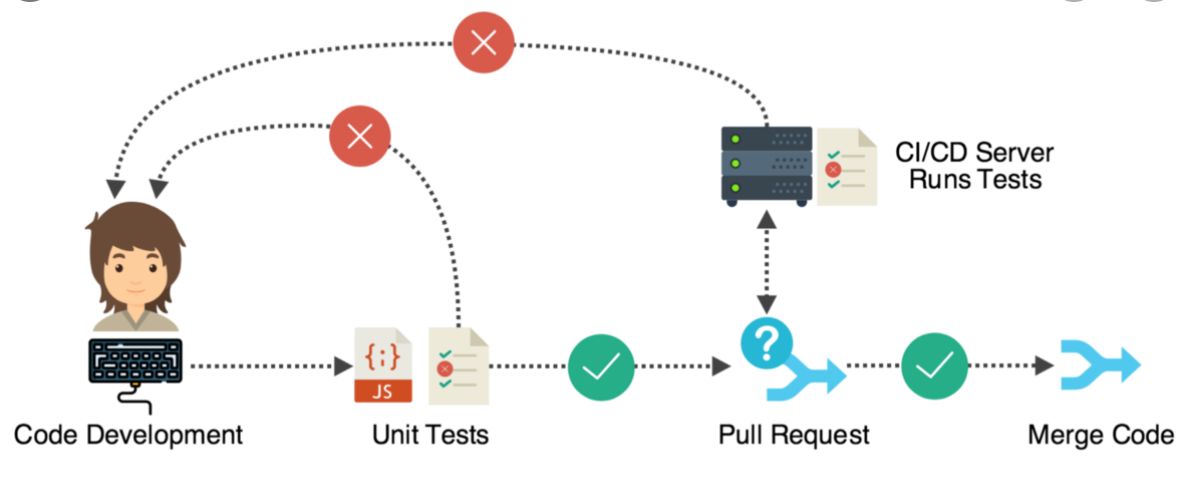
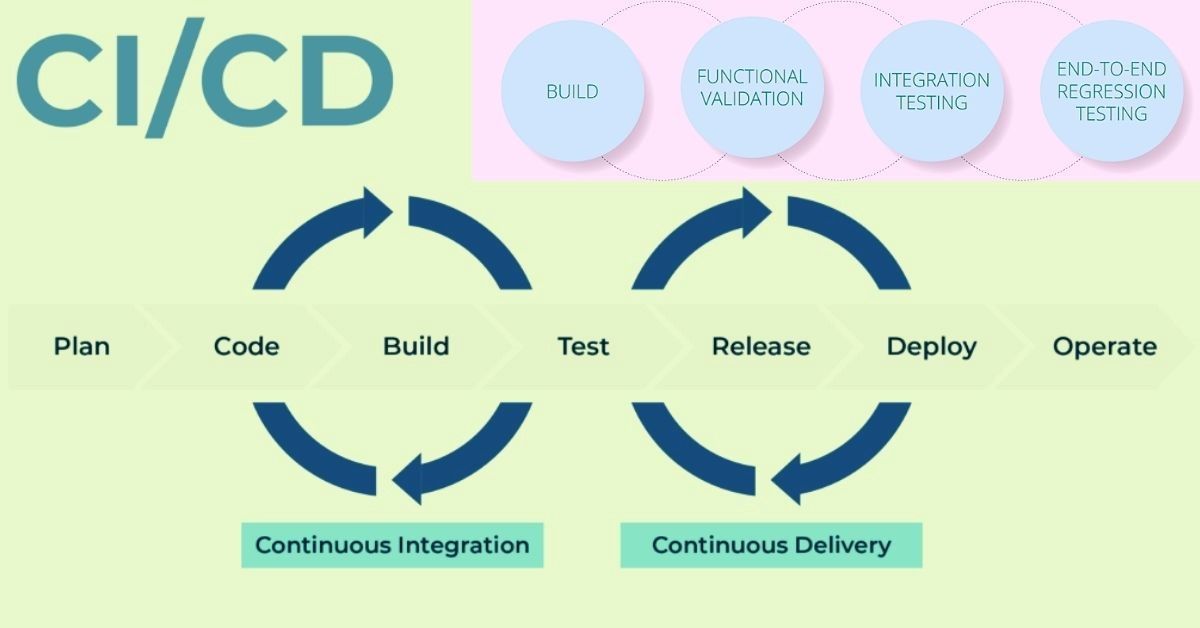
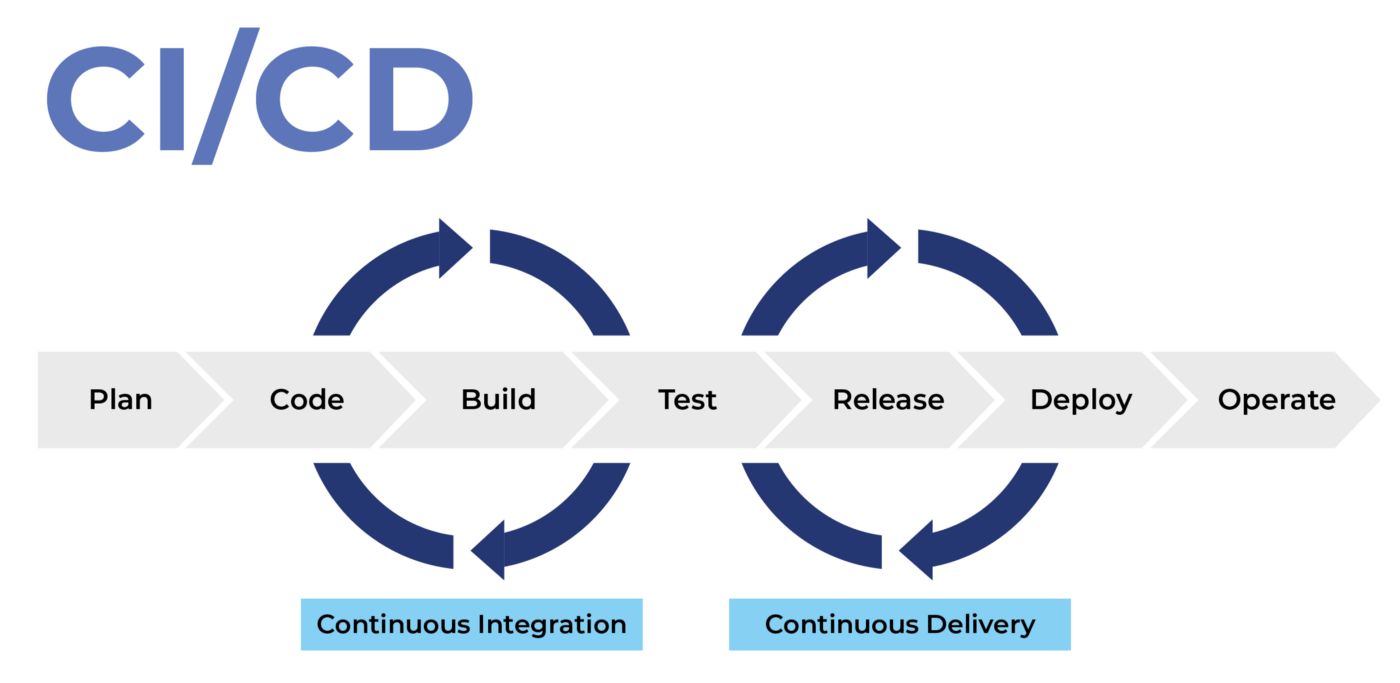
Continuous Integration (CI) and Continuous Delivery (CD) are staples of a modern software development workflow that enable developers to release their code rapi
We think of bugs as being in code but that’s just the end of the story. Bugs are a human problem. You fix one bug in code but you prevent future bugs by helping humans to work better.
Create a simple server with Node.js and Express, write API tests using Kong Insomnia, and then run these tests in our CI pipeline with Inso and GitHub Actions.
The rise of DevOps and Agile methodologies is apparent to anyone closely following the business world. Just last year, there was an 18 percent increase in DevOps adoption. Most business owners see the benefits of embracing both DevOps and Agile. With these methodologies in place, developers are able to get projects done in a timely and efficient manner.
I wanted to write this guide for a while because DevOps is one of the things that is not discussed much yet there are a few straightforward actions that you can integrate into your workflow that will make your developer life much easier.
I wanted to start a serverless project, and one of the primary headaches aside from architecting the workflow and deciding which lambda functions need to be created is a simple and yet effective CICD workflow.
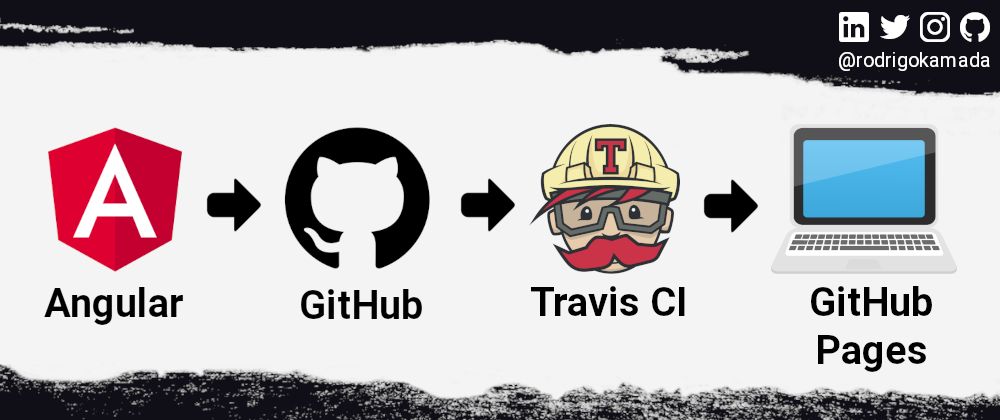
This guide outlines and explains the process for creating an extension pack for VS Code & Code Server before publishing it on GitHub release using Travis CI.
We discuss quite a bit about going serverless for SMEs and startups, however it’s often those with an already huge infrastructure, such as enterprises, that can find the move and change daunting. We see many companies from the likes of Coca-Cola to Netflix managing it but what does it look like in action? In this article, we share some best practices and insights on the serverless designs that can scale massively and represent enterprise models. For a real life example, you can also check out how Shamrock Trading Corp migrated to serverless from a traditional cluster - psst, they’re also giving away their winning strategy for a smooth transition.
In this series of articles, we will explore the convergence happening between the IT and Telecom industries, which is referred to as “Telco Softwarisation”.
Why do we talk about project quality and technical debt so much? Because this directly or indirectly affects the speed of development, the complexity of support, the time to implement new functionality, and the possibility of extending the current one.
Why IT Operations Shouldn't Implement Change Freezes During the Holidays. The info you need to make sure your CI/CD systems run smoothly and avoid mistakes.
So, I was looking at an alternative to Azure DevOps and Jenkins to build a CI CD pipeline for a new project. A friend had asked me for a recommendation. His wanted to host microservices in Oracle Kubernetes Service.
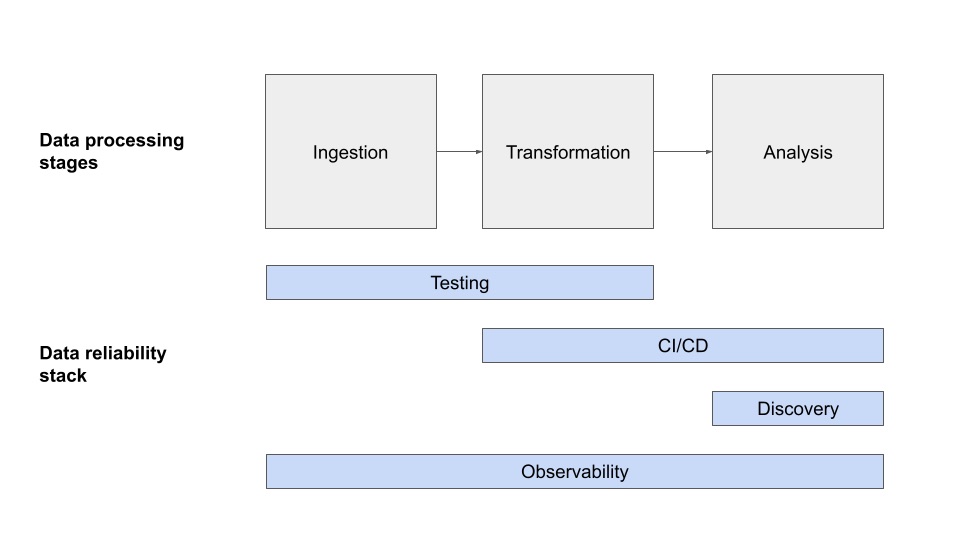
After speaking to hundreds of teams, I discovered ~80% of data issues aren’t covered by testing alone. Here are 4 layers to building a data reliability stack.
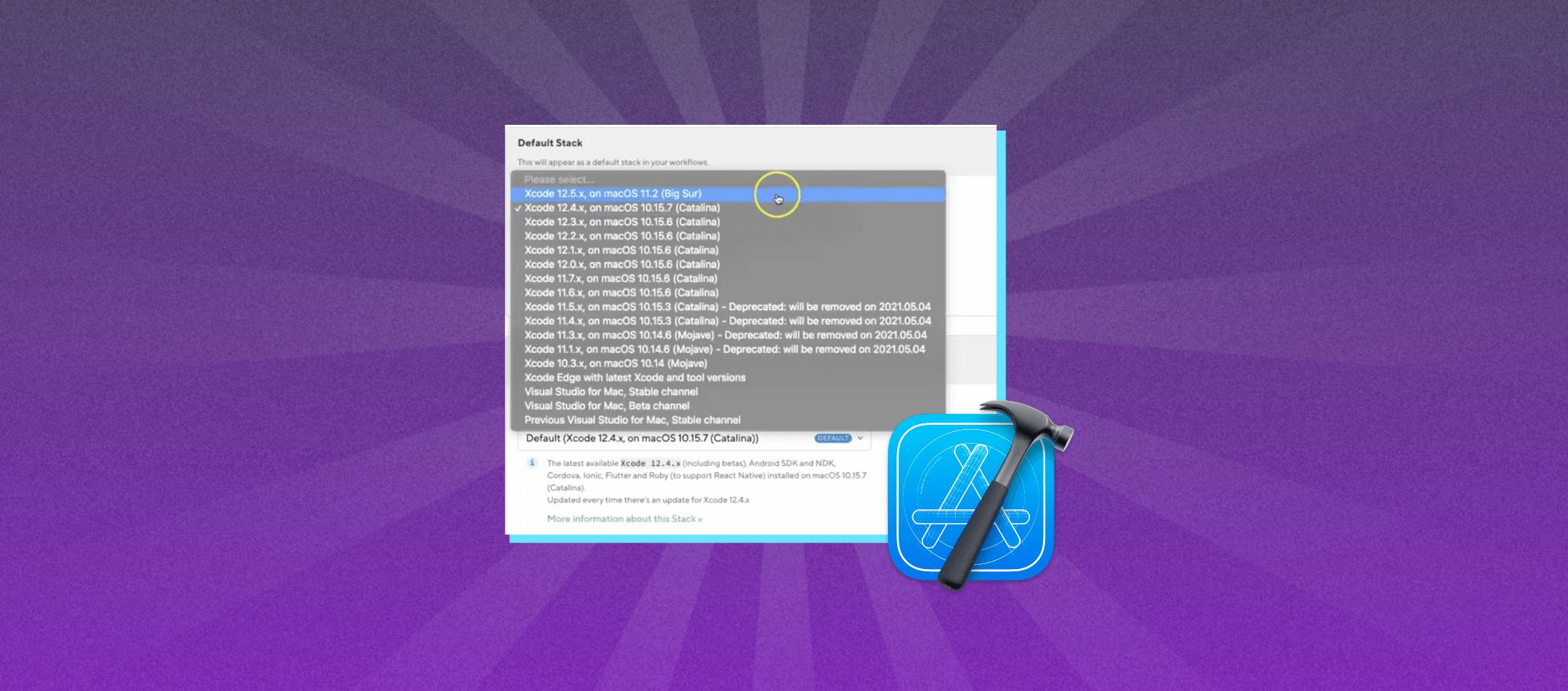
Xcode versions are the drumbeat iOS teams all around the world march to. Rapid access to Xcode versions ensures that apps are submitted, and updated on time
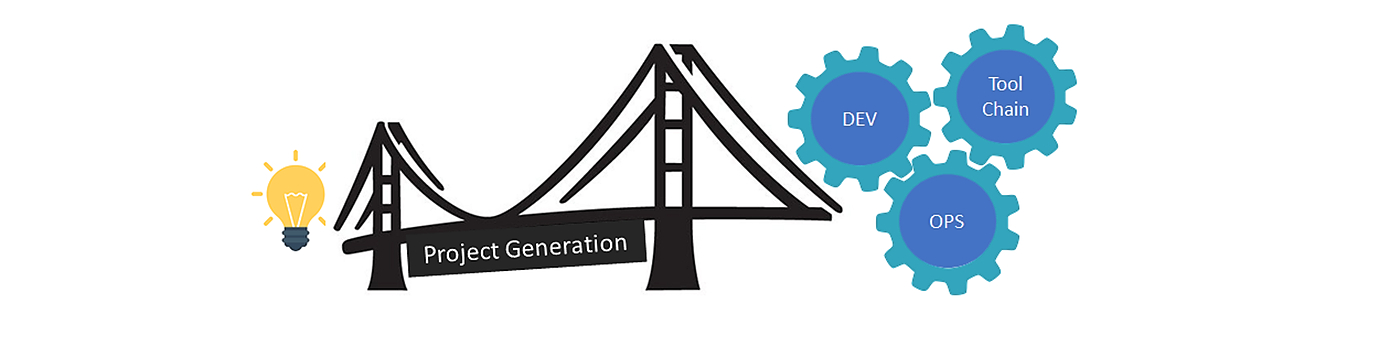
We, realMethods, are a small System Integrator. As a small SI with limited resources, we needed an advantage to compete for large engagements. We needed a lever we could pull that the bigger SIs could not. Before plowing head first into developing something, it was important to reflect on what we actually needed, had tried and experienced, what worked and did not work, and what mattered today that would still be relevant tomorrow.
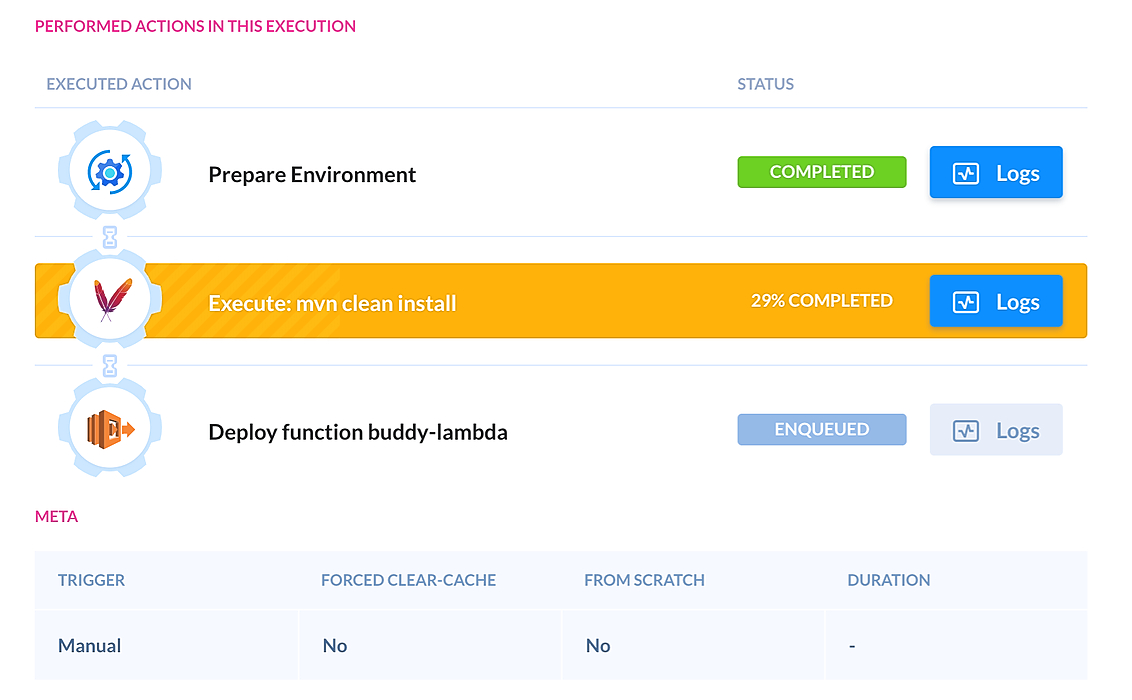
Previously, we managed to make our app redeploy on each commit. As you can remember, we get the status of deployment by processing script execution results. So let's use it to send a notification to ourselves each time we deploy our code.
This example project has everything you need to localize your native Android application on Smartcat platform, using a fully automated continuous localization approach.
Are you looking to transform your software development process? If yes, this blog post provides an introduces to orchestrating the CI-CD pipeline with AWS.
Producing documentation may be painful and need a lot of time to write and operate. In this story, i will share with you, my way of generating docs using the devops approach. To make life easier, we will explore the art of automation 😃.
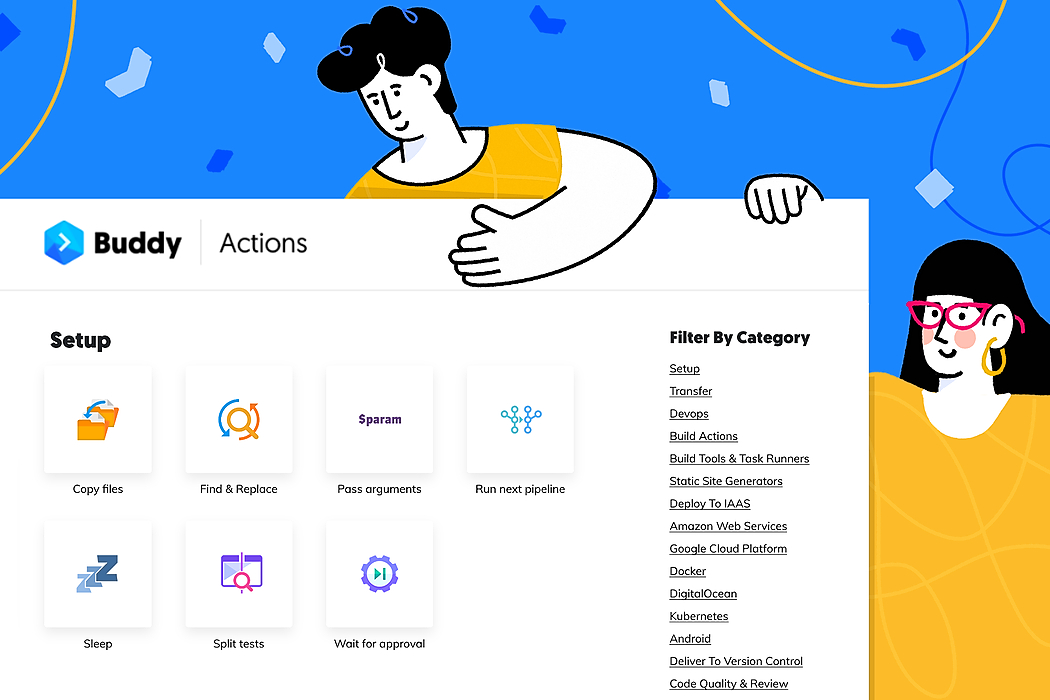
Buddy is the underdog of the CI/CD world. It's a frustrating world, filled with broken Jenkins servers and exhausting CodeBuild UIs. I discovered Buddy about a year ago and I've been raving about it ever since. It offers a different approach to a complex, difficult problem.
If you have embraced the concept of cloud-native computing and principles, you are ahead; you are on the right path in today’s advanced and competitive IT environment. But we need to understand one thing that, moving your development environment and processes to a cloud-native environment can be daunting and challenging. Anybody can merely advise you to move from a monolithic application to a microservices architecture, but from where and how are the questions that need critical analysis.
When we started with Kubernetes, around June 2018, the most popular choice on AWS was kops. But later down the road we migrated to the managed solution provided by AWS: EKS. I think it happened around the time when AWS announced PCI and ISO compliance and it also helped that meanwhile the managed platform was becoming available in more and more regions (because in the summer of 2018 you could use it only in very few locations).
I have been using Lambda in production for about four years now personally, and three years professionally at Volta. Initially, I shipped Lambdas because it was easier than managing servers. At Volta, we now exclusively use server-less services because they are the smartest option for our workloads if we remember to support them correctly. This is a cheat sheet, a checklist of all the things you might want to remember when shipping something new to ensure it runs successfully.
Getting Spinnaker running is not an easy feat. Armory's Minnaker open source application gets you started in 10 minutes, so you can focus on Armory's value.
As you may have seen, we just launched our public beta of env0 last month. As part of the run-up to the launch, our dev team had to go through and make sure everything about our infrastructure was ready for ongoing public use: one element being creating a maintenance mode for both our Application and our public API.
The software development life-cycle has a lot of moving parts. A huge problem many large companies have is maintaining a consistent deployment process. Written steps sometimes get skipped; manual deploys are error prone, and home-grown deploy scripts are usually only understood by the person that wrote them. Companies like Netflix, Etsy, and Amazon need to make sure that deployment cycles are smooth and errors are caught as early in the process as possible.
Cybersecurity is a big concern for many companies. With data breaches happening more and more as attacks increase in sophistication, teams are looking at all of the options they have to prevent them.
In this article, we will look into common ways to secure secrets in a Kubernetes application and how to manage them in a GitOps workflow based on ArgoCD with the help of Sops.
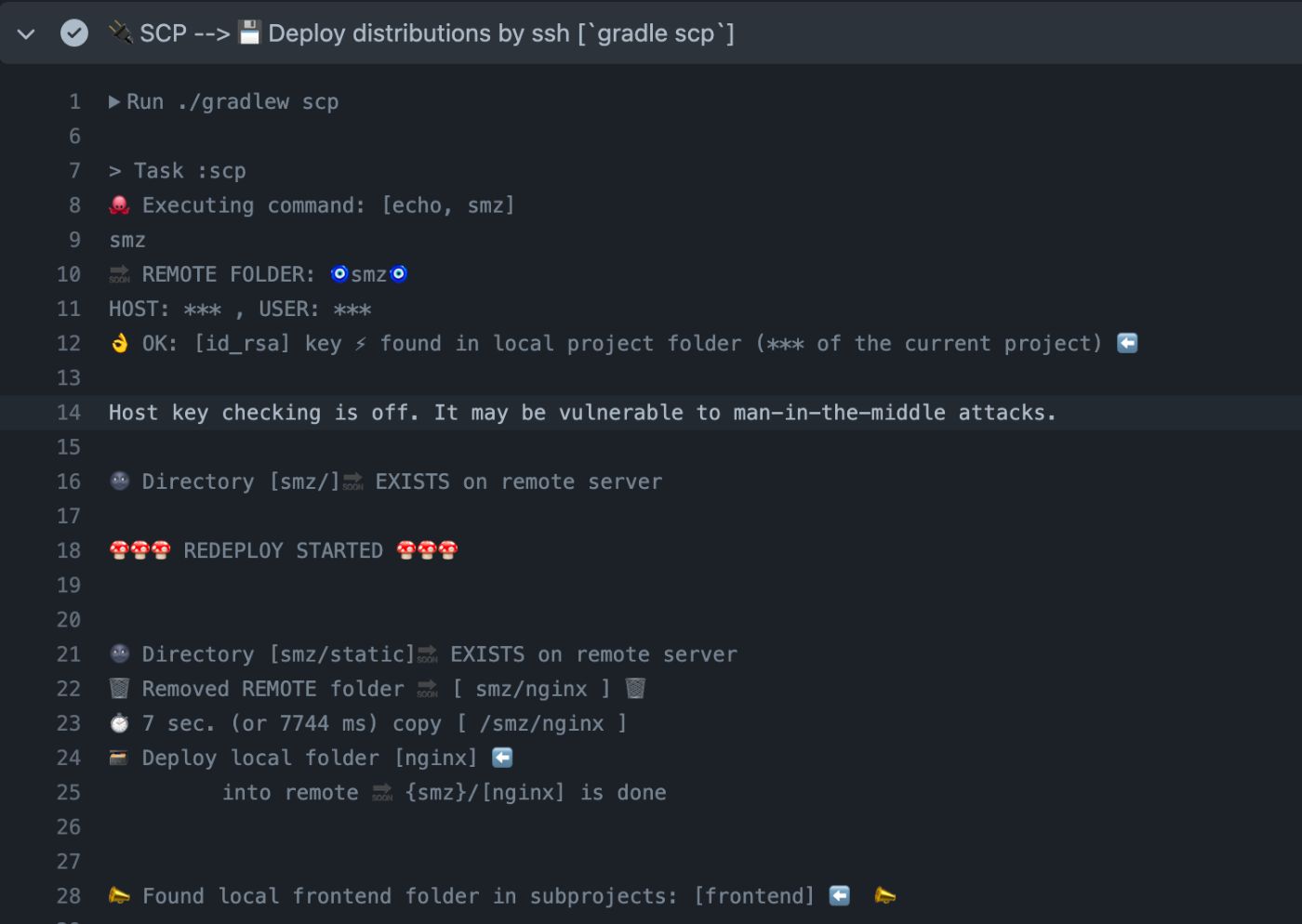
One of the most basic ways in which a project gets deployed is by SSHing into a remote host followed by executing a few basic commmands. In this article I'll be taking a look on how to deploy a basic project to a remote server through Gitlab CI using Python Fabric.
So you want to start testing your code? Good choice. Testing is a great way to make sure nothing breaks in deployment, and Jenkins makes it easy to automate this process.
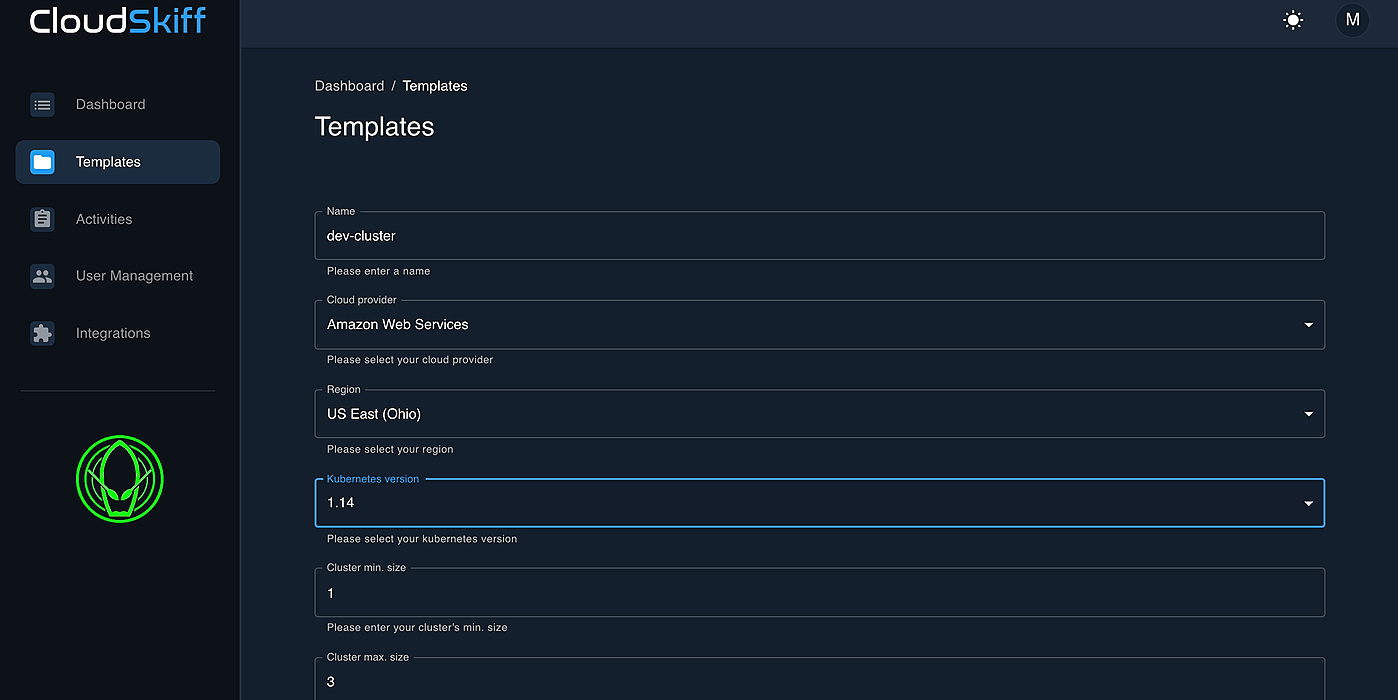
Meta: KubeMQ, makers of the eponymous Kubernetes-native message queue, has a new web-based tool that promises to make setup a breeze. Let's try it out!
In this tutorial, you will learn how to use the Xcode Archive & Export for iOS step to manage your iOS code signing assets, archives and export an .ipa.
Continuous Integration/Delivery (CI/CD) is one of the most obvious candidates for moving to a Kubernetes cluster, as you automatically enjoy all the benefits of Kubernetes scalability. In traditional CI solutions, companies employ a fixed set of build nodes that teams must manually monitor and upgrade.
Engineering teams have always had constant pressure to deliver software faster, cheaper, and more reliably. As a result, many of the recent trends in backend infrastructure have been driven by these factors.
Efficiency, speed, transparency — all of this is possible with DevOps. In 2021, AI, data security, assembly lines, and more will take over as DevOps trends.
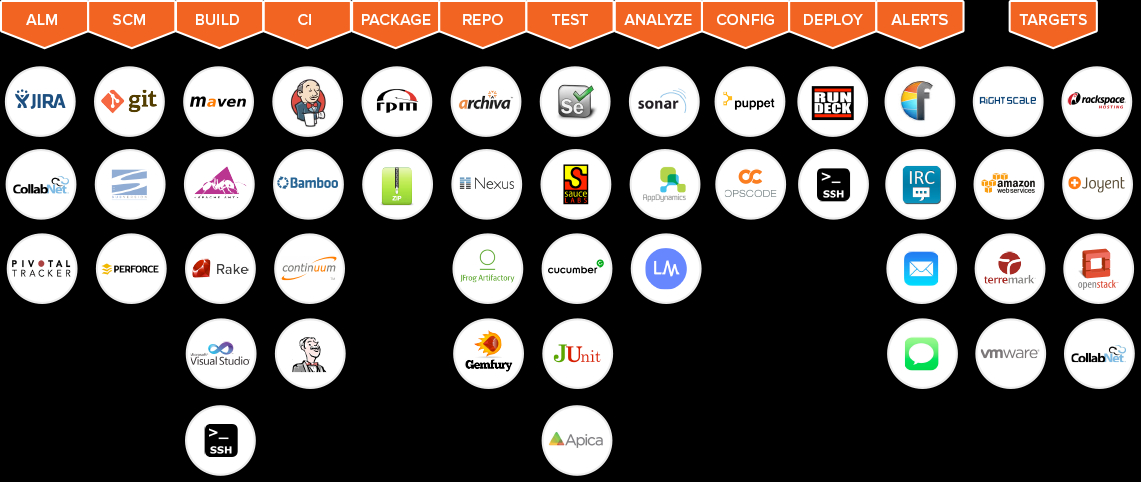
DevOps, the term seems a buzz word for many from the last few years, but this buzzword is the most searched term on the internet by IT recruiters, software firms, and agencies. When it comes to DevOps, the pro enthusiasts argue saying it is never about the tools or automation, but they miss to see that, in fact, tools are the ones that take over the culture ones the DevOps culture is set in any firm. We all agree DevOps is not only about the tools, nor even an individual role, perhaps, it should be a group effort, DevOps is a trinity of people, process and tools. But to enable DevOps, in any organization, DevOps tools play a vital role.
Scala 3 is finally here, but have you seen many real-world applications written in it? In this article, I will show you an example of such an application!
C was developed and promoted by Dennis Ritchie in the years between 1969 and 1973 at AT&T Bell Labs. C++ came into existence around 1979 by Bjarne Stroustrup. C++ was created as an enrichment to the C programming language, and initially, it was named "C with Classes."
Buddy and Jenkins find themselves on completely opposite ends of the CI/CD spectrum. So which one should you go for? It certainly is a question of context. There are some clear technical differences but how they relate to actual value is circumstantial and should be taken on a case by case basis. As such, this comparison will be broken down into two sections.
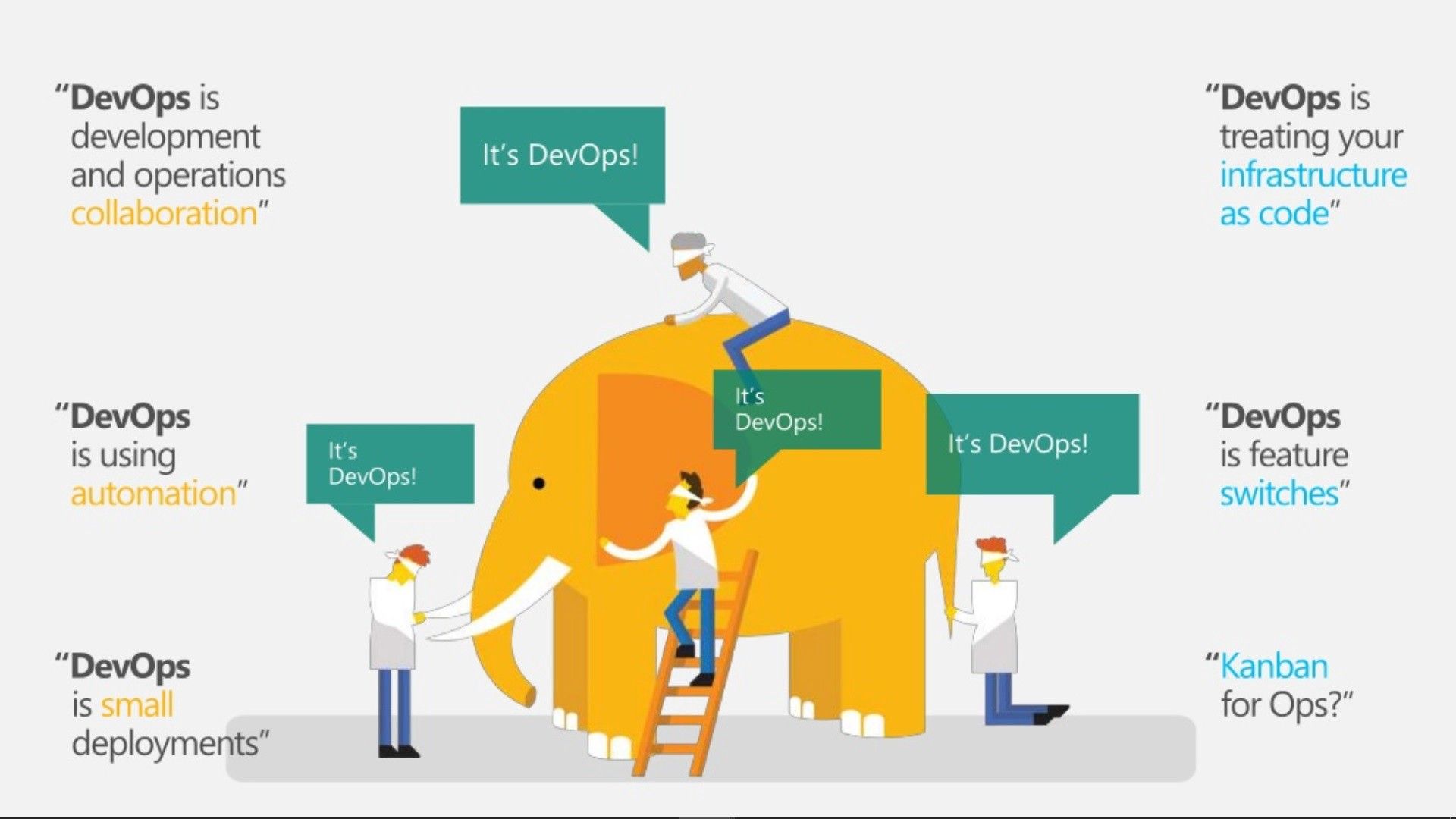
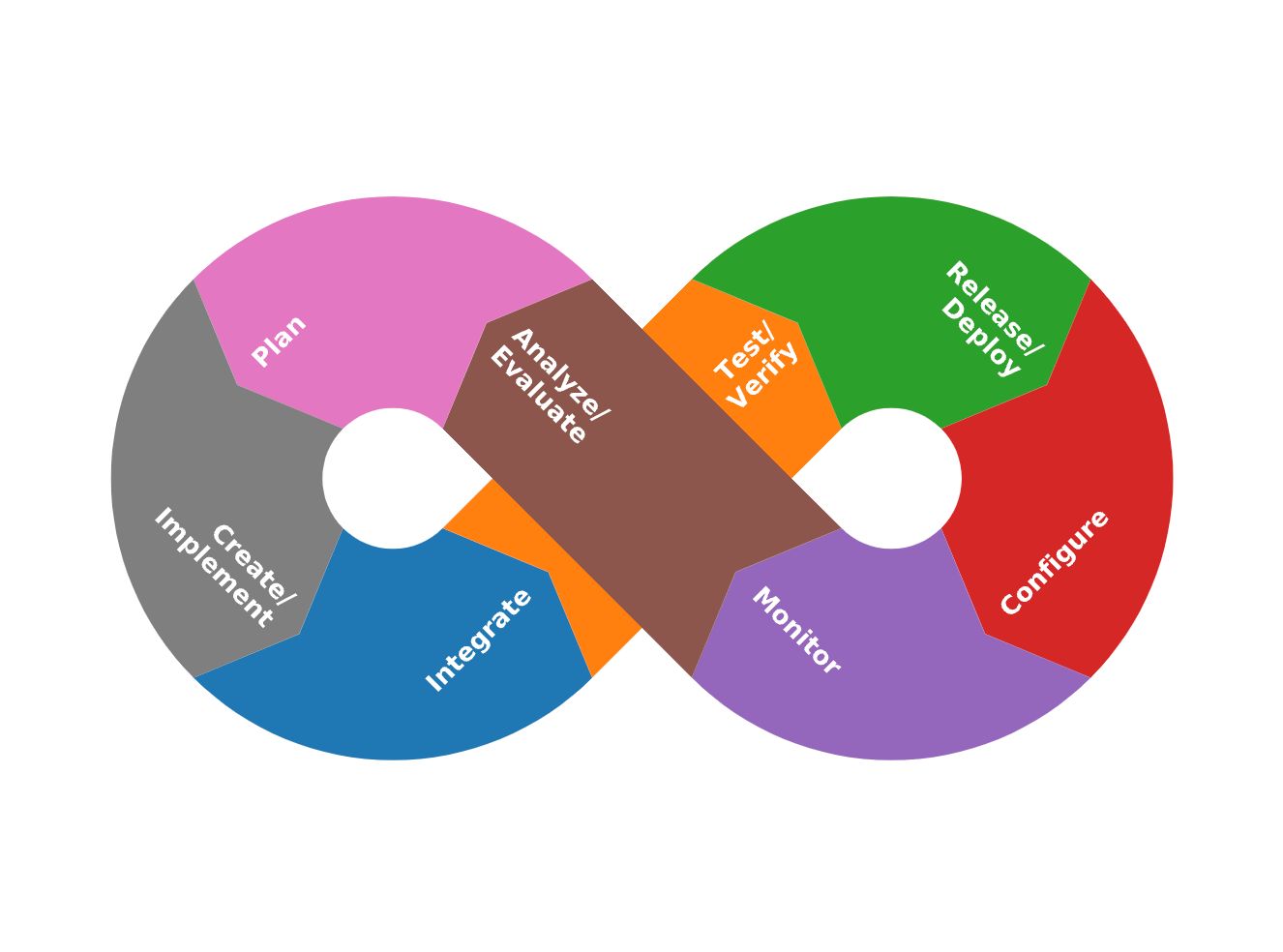
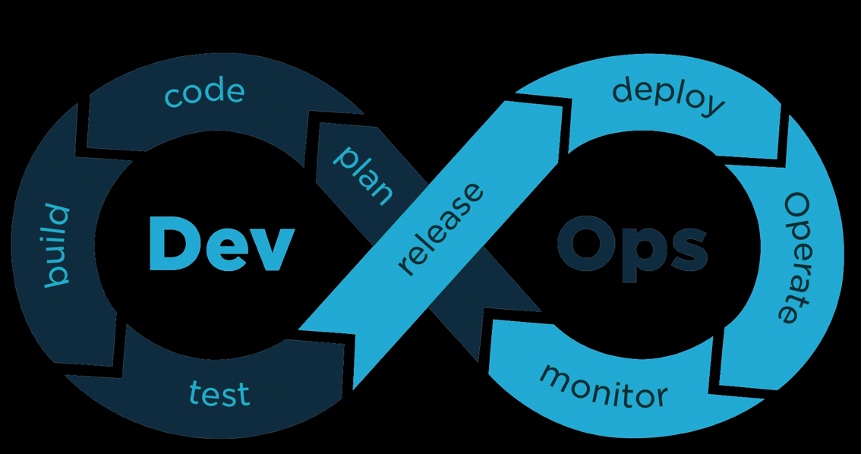
Discover what DevOps exactly is, five DevOps best practices, essential DevOps benefits like faster software releases, and nine key steps to implement DevOps.
Kubernetes is now the de-facto standard for container orchestration. With more and more organizations adopting Kubernetes, it is essential that we get our fundamental ops-infra in place before any migration. This post will focus on pushing out new releases of the application to our Kubernetes cluster i.e. Continuous Delivery.
DevOps has emerged as the future of the software delivery process. Companies are shifting their focus on optimizing software quality and time through DevOps.
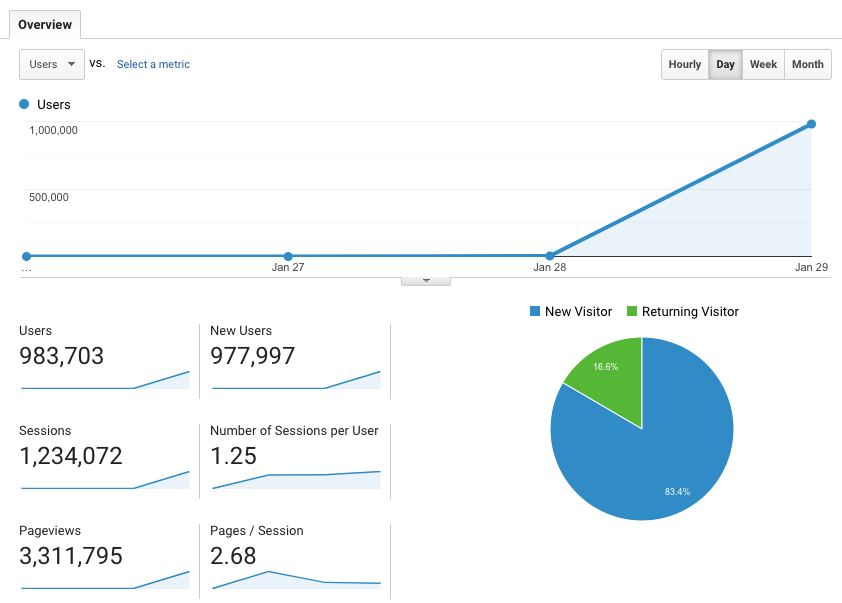
All the magic began on 26th Jan, 2020. The original idea started with a simple question. “Why don’t we build a website that gathers ALL information about the coronavirus in Hong Kong?” together with a list of bullet points of how to achieve an MVP. Shortly after, a telegram group was formed and some of us from the group spent their Chinese New Year holiday with the stacks of Gatsby and Kintohub, at 11 pm, on 28th Jan 2020 our site https://wars.vote4.hk/en went online… Within 24 hours we reached almost 1M users (983k to be exact) and our stack didn’t crash and was completely free!!!
Developers often fear database changes because a mistake by anyone on your team can lead to a major outage and even data loss. The stakes are higher when changes are not backwards compatible, cannot be rolled back, or impact system performance. This can cause a lack of confidence and slow your team velocity. As a result, database changes are a common failure point in agile and DevOps.
A great deal has already been written about readiness and liveness checks and I don’t intend to cover that ground again. Rather I want to cover, very specifically, their use in a large microservices architecture.
GitHub Actions is one of the most powerful tools that you can use if you are storing our code on this service repository. The idea is simple, you can design a complex workflow using automated tasks (called actions) in order to be activated and run when a commit is done in your repository.
The blog provides information on the build & deploy tools that are centred around microservices application delivery and are being used in the industry today.
The success of DevOps lies in the right way of implementation. Here, are some best DevOps practices for successful DevOps transformation in 2022 and beyond.
In this world of cross-functional teams and microservice architecture, DevOps skills become increasingly important, and that starts with understanding CI/CD
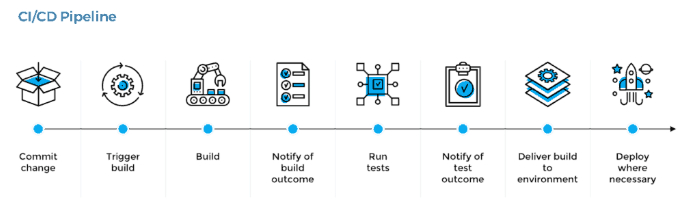
Continuous Integration & Continuous Delivery in the development process. How the CI/CD pipeline helps create products and implement new features better and fast
I have been using Azure Devops for a while. Like most of the cloud products out there this is one which gets constant refresh. My plan is to document the steps for building, testing and deploying an app to Azure Kubernetes Service using Azure Devops. So let's start.
Dependencies are exactly what it sounds like - things that you depend on. But take that undeniable statement into your software project and you soon find out that it’s not just you who depends on them. It’s entire teams, processes, projects, infrastructure, and, most important of all, your clients.
DevOps is a deployment process that helps automate a lot of processes that used to take a team hours to days to get through. When you are trying to get that process going, you need to know that everyone is on-board or else it won't work. Switching from Waterfall deployments to DevOps is a huge organizational change.
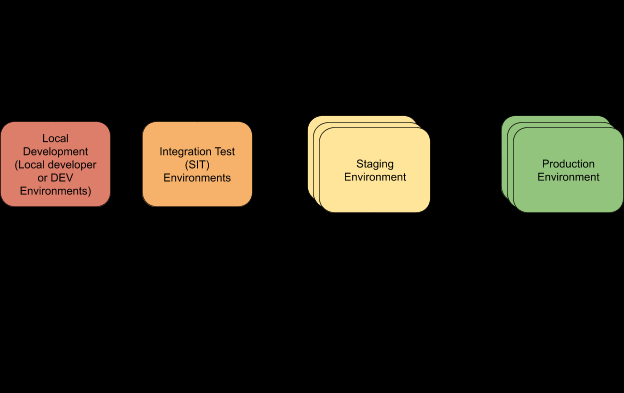
Many development teams skip having a staging environment for their applications. They often submit a PR, potentially run tests in a CI system, merge to master, and then deploy to production. This is a risky pipeline because there is no true integration environment or integration testing being performed. What’s worse is that if there is an issue they may engage in “cowboy coding” to try to resolve the issue on their live production environment.
If you follow the Microsoft development community at all, you’ve most likely already heard of the new web development framework called Blazor. If you haven’t heard of it, here’s an overview from the product site:
With digital transformation and the move to online operations, companies are increasingly relying on Salesforce to manage many of their operations. New business needs and opportunities constantly increase the workload of Salesforce teams. In this context, teams are turning to Salesforce CI/CD to automate manual workflows, which help them handle these growing workloads and quickly deliver quality work to their end-users. This article gives you a short overview of how to implement CI-CD in Salesforce DX.
GitHub actions and workflows are great. We use them to deploy a web app to different cluster environments and I want to show you how we did it. Hopefully, this helps to simplify your deployment process as well. I’ve also written a companion article that describes our GitHub workflows for continuous integration.
Microservices are completely disrupting the way we build applications nowadays. This is one of the hottest trends when it comes to software architecture. More and more developers are adopting it.
Recently, we started a new project and it decided it was a good time to try GitHub’s newish CI/CD tools which became generally available in November last year.
As a software producer, you need to keep releases moving, even as you need to move your technology ahead. Transitioning your Jenkins continuous integration (CI) pipelines to a newer, optimized system can’t be a roadblock, and your enterprise can’t afford the work stoppage a rip-and-replace rework would require.
Docker is a container technology that enables developers to run entire applications as a unit. It offers all the benefits of virtual machines, without the high overhead:
We will configure a CI/CD pipeline with GitLab CI/CD and execute Selenium testing over it through LambdaTest, an online Selenium Grid of 2000+ real browsers.
Automation doesn’t just save time, it also makes the process more reliable, less error-prone (to human error) and encourages to deploy/publish more often
The DevOps practices are helping companies build software that will function properly in a more automated world & this is what building cloud-native software is all about. While the cloud-native approach is becoming more critical and making life easier for everyone involved in software development, there are still industries that are laggards and kind of scared to move out of their legacy practices. Yes, we are talking about the highly regulated industries like Healthcare, Financial corporations, government agencies, etc. When it comes to adopting new technologies of building software, these industries have always remained slow because of the limitations they carry with them. But recently we have seen so many traditional banks and hospitals moving towards DevOps and cloud-native practices.












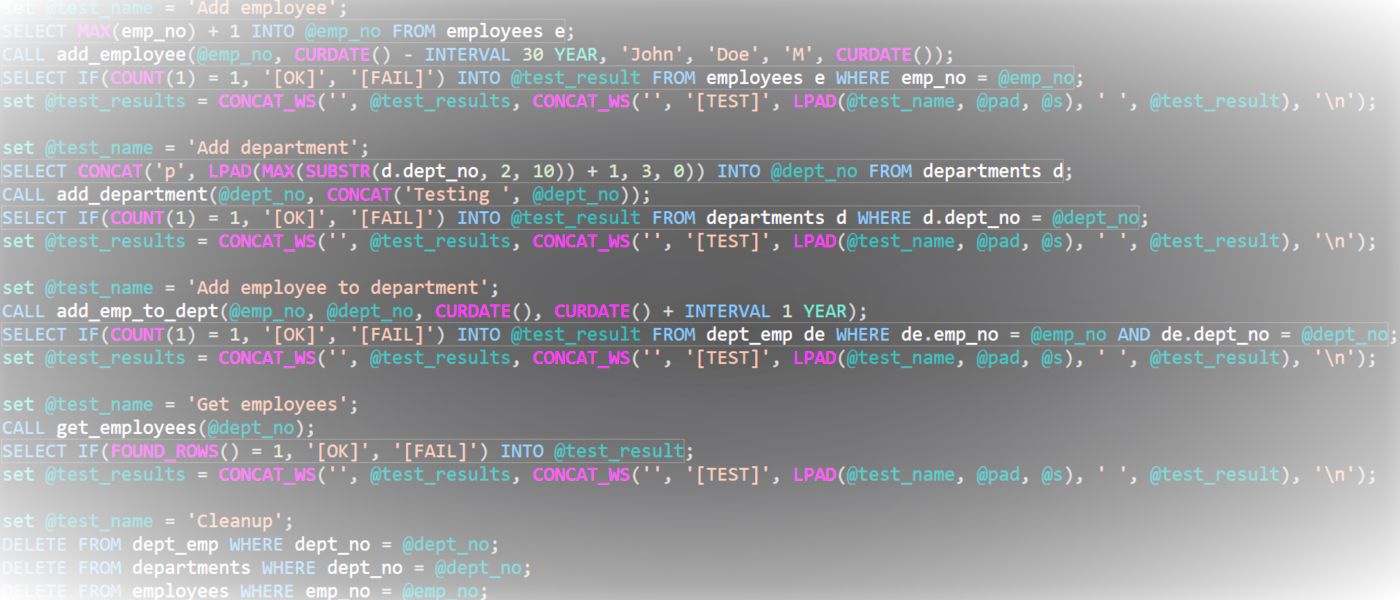
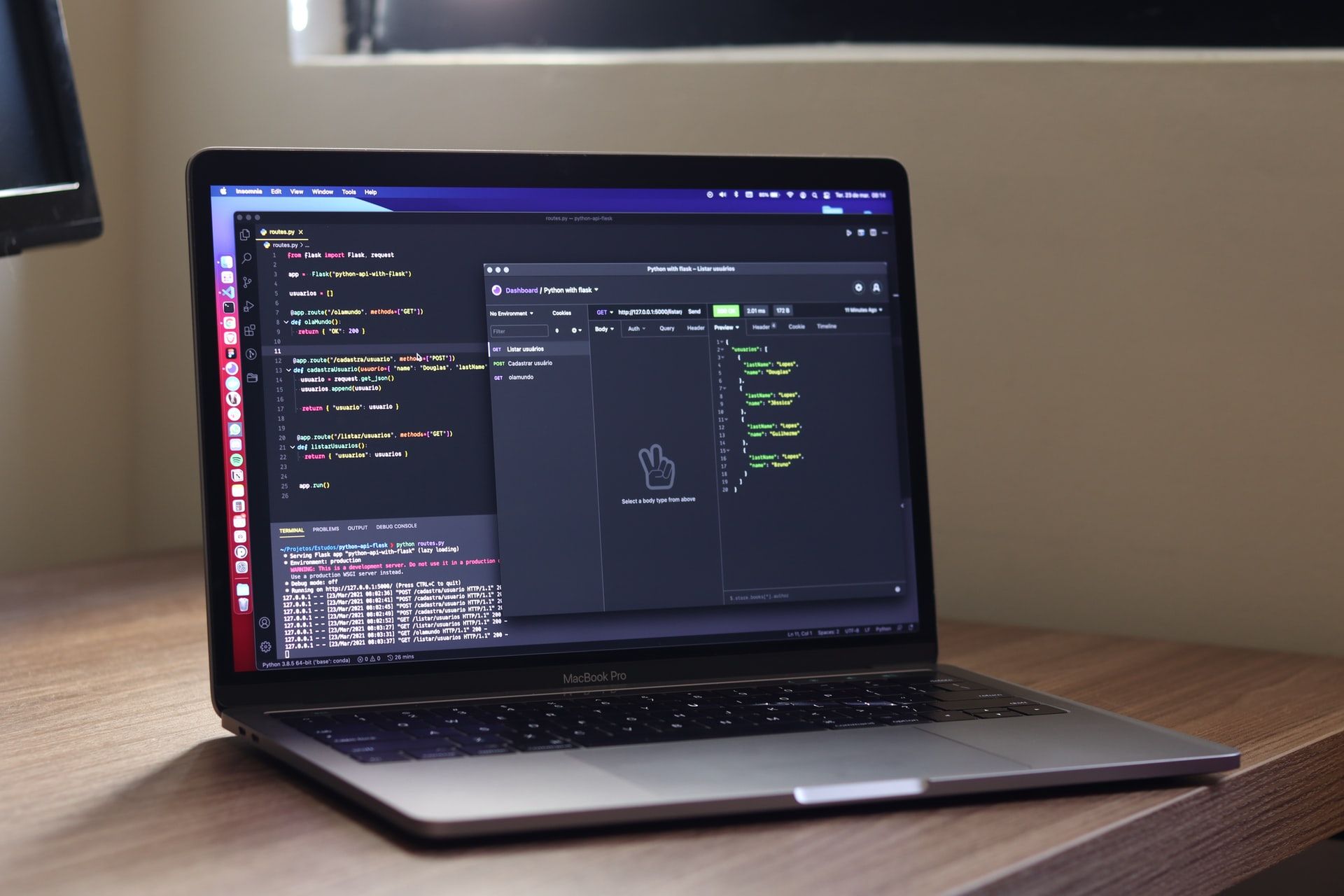
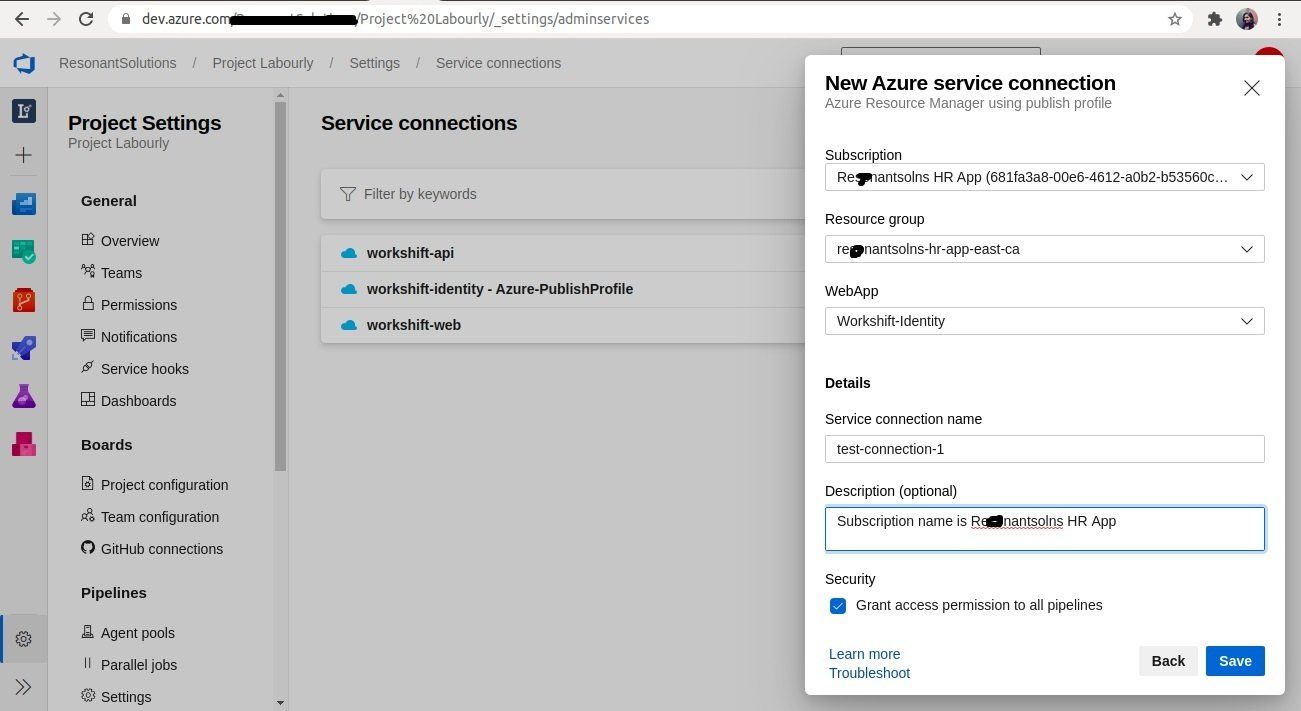






































 So you want to start testing your code? Good choice. Testing is a great way to make sure nothing breaks in deployment, and Jenkins makes it easy to automate this process.